
Tretinoin 0.1% cream is a high-potency, dermatologist-prescribed topical retinoid designed for patients who need a more intensive level of treatment and can tolerate stronger formulas. By accelerating skin cell turnover and boosting collagen production, it helps smooth deeper fine lines, improve sun damage, unclog pores, fade dark spots and acne marks, and refine overall skin texture. Because 0.1% is a stronger strength than lower-dose tretinoin (such as 0.025% or 0.05%), it is typically reserved for users who have already “graduated” from milder concentrations and can handle a more active regimen. Consistent use, a supportive skincare routine, and rigorous sun protection are critical to maximize benefits and minimize irritation.
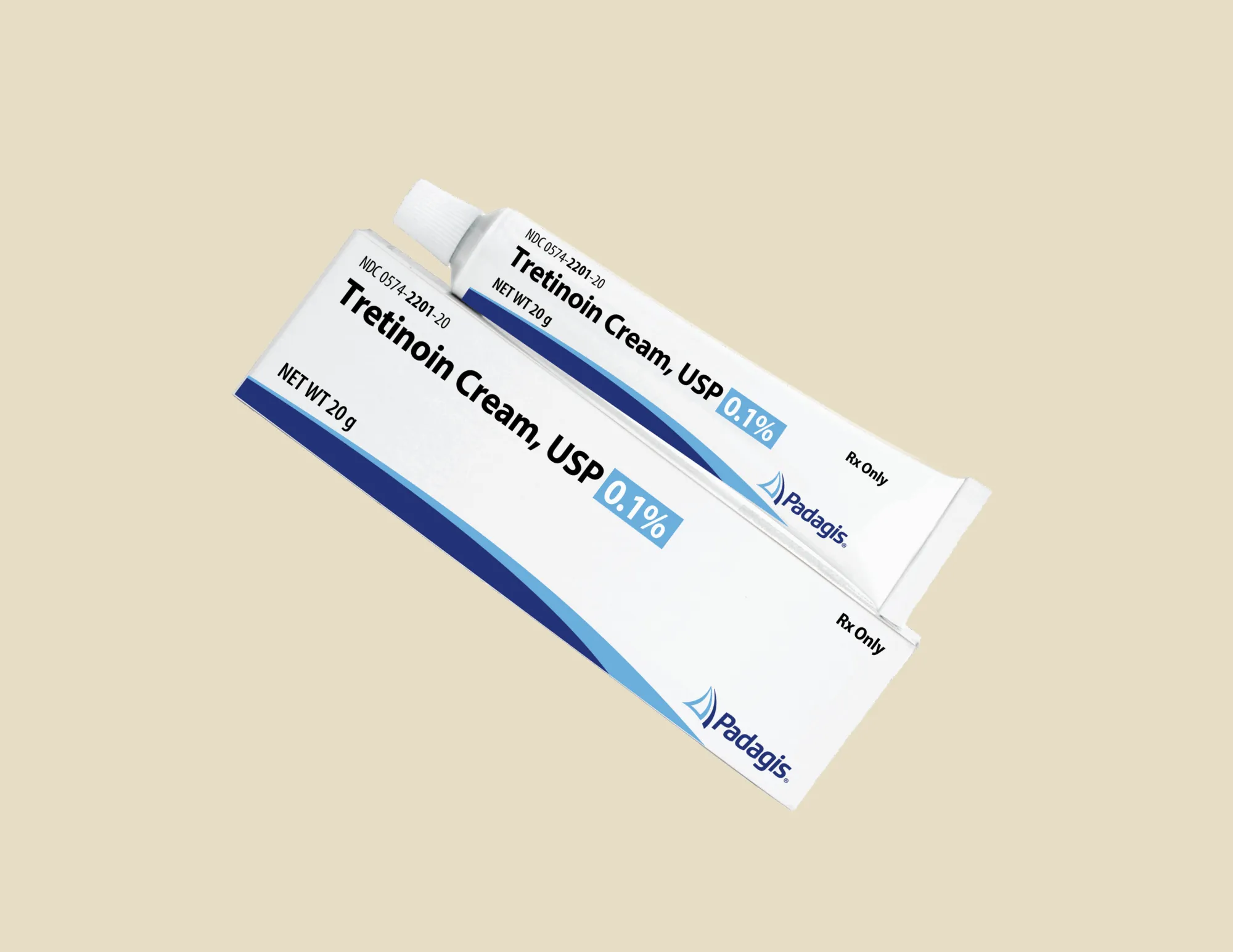
Tretinoin Cream 0.1% (45g)
From: $45.00/month
Target stubborn acne, deeper photoaging, and uneven tone with powerful skin renewal.
Tretinoin 0.1% cream is a high-potency, dermatologist-prescribed topical retinoid designed for patients who need a more intensive level of treatment and can tolerate stronger formulas. By accelerating skin cell turnover and boosting collagen production, it helps smooth deeper fine lines, improve sun damage, unclog pores, fade dark spots and acne marks, and refine overall skin texture. Because 0.1% is a stronger strength than lower-dose tretinoin (such as 0.025% or 0.05%), it is typically reserved for users who have already “graduated” from milder concentrations and can handle a more active regimen. Consistent use, a supportive skincare routine, and rigorous sun protection are critical to maximize benefits and minimize irritation.
⚠️ Safety Information
⚠️ Serious Warnings / Precautions
- Tretinoin 0.1% is a stronger formulation and can cause more pronounced dryness, redness, and peeling, especially during initiation or if overused.
- It significantly increases skin sensitivity to sunlight, wind, and cold — daily broad-spectrum SPF 30+ is essential.
- Do not apply to sunburned, eczematous, broken, or severely irritated skin.
- Common irritation (redness, peeling, burning) may be more intense and may last longer than with lower strengths.
- Stop use and contact a clinician if you develop severe redness, blistering, crusting, swelling, or intense burning.
- Avoid use during pregnancy or breastfeeding unless specifically advised by a prescriber.
🧴 How to Use
- Use at night on clean, completely dry skin (wait 15–20 minutes after washing, especially if sensitive).
- Apply a pea-sized amount for the entire face — dot on forehead, cheeks, and chin, then spread evenly in a thin layer.
- Start slowly, especially if transitioning from a lower strength: for example, 2–3 nights per week, then increase as tolerated.
- Avoid applying close to the eyes, corners of the nose, and corners of the mouth if these areas become irritated.
- Use a gentle, non-irritating moisturizer to support the skin barrier; “sandwiching” with moisturizer before and after tretinoin can reduce irritation.
- Always apply broad-spectrum SPF 30+ every morning while using tretinoin 0.1%.
- Do not use more frequently or in larger amounts than prescribed; more product will not improve results and increases the risk of irritation.
🚫 Who Should NOT Use
- Individuals who are pregnant, planning pregnancy, or breastfeeding unless specifically cleared by a clinician.
- Anyone with a known allergy or hypersensitivity to tretinoin or any ingredient in the formulation.
- Patients with active eczema, uncontrolled rosacea, or highly sensitive skin without close medical supervision.
- Individuals with severe or active sunburn or who cannot reliably use sun protection.
- Patients who have not used lower-strength tretinoin may be better suited to start with a milder concentration.
⛔ What to Avoid
- Abrasive scrubs, cleansing brushes, or harsh exfoliating tools on treated areas.
- Other retinoid or retinol products (e.g., adapalene, tazarotene, OTC retinol) unless specifically instructed by a prescriber.
- Strong acids (AHA/BHA), benzoyl peroxide, or other aggressive actives layered on the same area at the same time, unless directed.
- Chemical peels, waxing, or laser treatments on treated areas without medical guidance.
- Heavy fragrance, essential oils, or irritating products during the adjustment period.
- “Doubling up” applications to make up for missed doses — this increases irritation without additional benefit.
🧊 Common Side Effects
- Dryness, redness, tightness, peeling, or flaking, often more intense than with lower strengths.
- Mild to moderate burning, stinging, or warmth after application.
- Temporary worsening of acne (“purging”) as clogged pores surface more quickly.
- Increased sensitivity to sun, wind, cold, and other topical skincare products.
- These effects often improve with moisturization, reduced frequency, and time, but can be more noticeable at 0.1%.
🚨 Serious Warnings and When to Use Caution
- Severe irritation: If you experience intense burning, severe redness, blistering, or crusting, stop use and contact a clinician.
- History of skin conditions: Use extra caution if you have eczema, rosacea, or very sensitive skin; a lower strength may be more appropriate.
- Sun exposure: High UV exposure (outdoor work, sunny climates, vacations) may require modifying use or pausing treatment.
- Concomitant therapies: Discuss all other prescription and over-the-counter skin treatments (peels, lasers, microneedling) with your clinician before combining.
🤰 Pregnancy and Lactation
- Topical retinoids such as tretinoin are generally avoided in pregnancy due to limited safety data.
- If you are pregnant, planning pregnancy, or breastfeeding, discuss alternative options with your clinician.
- Stop tretinoin and contact your provider if you become pregnant while using this medication.
👵 Use in Special Populations
- Older adults: May have thinner or more fragile skin — slower titration and extra moisturization may be required, especially at 0.1%.
- Dry or sensitive skin types: May need less frequent application (for example, every 2–3 nights) and richer moisturizers.
- Darker skin tones: Over-irritation can increase risk of post-inflammatory hyperpigmentation; gentle use, gradual titration, and strict sun protection are important.
📦 Storage and Handling
- Store at room temperature away from direct heat, light, and moisture.
- Keep the tube tightly closed when not in use.
- Do not freeze or expose to excessive heat.
- Keep out of reach of children and pets.
📞 When to Contact Your Healthcare Provider
- Severe or persistent burning, redness, swelling, blistering, or crusting.
- No improvement or worsening of acne or photoaging after several months of consistent use.
- Signs of infection on the skin (e.g., pus, warmth, expanding redness).
- Uncertainty about how to use tretinoin 0.1% alongside other prescription or cosmetic products.
- If you become pregnant or start breastfeeding while using tretinoin.
Disclaimer: This is educational information for website display and does not replace professional medical advice. Patients should follow their prescriber’s directions.
❓ Frequently Asked Question (FAQ)
⏳ How long does tretinoin 0.1% take to work?
- Acne improvements often begin in 6–12 weeks with consistent use.
- Texture, tone, and fine-line improvements typically appear over 3–6 months.
- Because 0.1% is stronger, some patients may see faster changes, but also more irritation.
🔄 Is purging more common or intense at 0.1%?
- Purging can occur at any tretinoin strength, but may be more noticeable at 0.1%.
- It usually appears in the first 2–6 weeks as clogged pores surface.
- If breakouts are severe or prolonged, consult your clinician; a lower strength or slower schedule may be appropriate.
🧴 Can I (or should I) use moisturizer with tretinoin 0.1%?
- Yes — with 0.1%, moisturizers are especially important to support the skin barrier.
- The “sandwich method” (moisturizer → tretinoin → moisturizer) can help reduce dryness and irritation.
- Use gentle, fragrance-free moisturizers whenever possible.
🔬 Can I combine tretinoin 0.1% with vitamin C or other actives?
- Vitamin C is typically used in the morning, with tretinoin at night, to reduce irritation.
- Introduce AHAs/BHAs/benzoyl peroxide slowly and only under guidance, as the skin is already more stimulated at 0.1%.
- Avoid layering multiple strong actives on the same night unless directed by your clinician.
👁️ Can tretinoin 0.1% be used around the eyes?
- The under-eye area is very delicate; many patients use lower strengths near this area instead.
- If your clinician approves, use a very small amount and monitor closely for irritation.
- Stop applying near the eyes if redness, burning, or peeling develops and consult your provider.
💄 Can I wear makeup while using tretinoin 0.1%?
- Yes. Apply tretinoin at night, then in the morning moisturize, apply SPF, and then makeup.
- Because 0.1% can be drying, hydrating and non-comedogenic makeup formulas are often more comfortable.
🔥 What should I do if my skin is very irritated with 0.1%?
- Reduce frequency (e.g., from nightly to every other night or even 2–3x per week).
- Increase moisturizer use and simplify your routine (gentle cleanser + moisturizer + SPF).
- Temporarily stop acids, scrubs, and other strong actives.
- If irritation remains severe or does not improve, contact your clinician; a lower strength may be better.
🌟 Is 0.1% better for anti-aging than 0.025% or 0.05%?
- 0.1% can provide more intensive treatment for some patients, especially those who tolerate lower strengths well.
- However, more strength also means more risk of irritation; the “best” strength balances results with tolerability.
- Your clinician can help determine whether you should remain at 0.1% or use a lower concentration.
📅 Can I use tretinoin 0.1% long-term?
- Yes. Many patients use tretinoin long-term for acne and photoaging, with adjustments in frequency as needed.
- Long-term, consistent use under medical supervision offers the greatest cumulative benefit.
⛔ What if I miss a dose of tretinoin 0.1%?
- Skip the missed night and apply tretinoin at your next scheduled time.
- Do not double up to “catch up” — this increases the chance of irritation without improving results.
Additional information
| Billing Cycle | Monthly, Quarterly, Semi-annual, Annual |
|---|
Related products
- Select options This product has multiple variants. The options may be chosen on the product page
- Select options This product has multiple variants. The options may be chosen on the product page
- Select options This product has multiple variants. The options may be chosen on the product page
-
Select options This product has multiple variants. The options may be chosen on the product pageRx
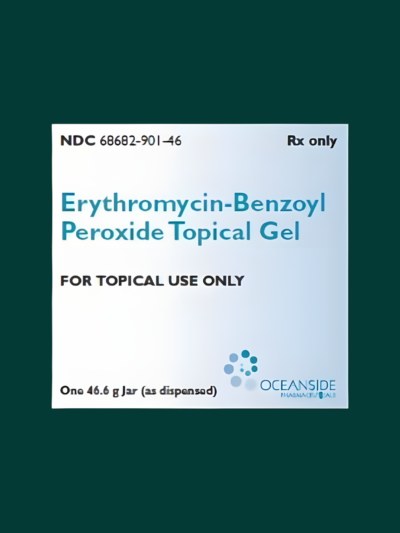
Erythromycin-Benzoyl Peroxide 3%/5% Gel (46.6g)
A dual-action acne gel that combines an antibacterial (erythromycin) with a powerful pore-clearing agent (benzoyl peroxide) to reduce breakouts, calm inflammation, and prevent new acne from forming.
From: $65.00/monthSelect options This product has multiple variants. The options may be chosen on the product page



Reviews
There are no reviews yet.