
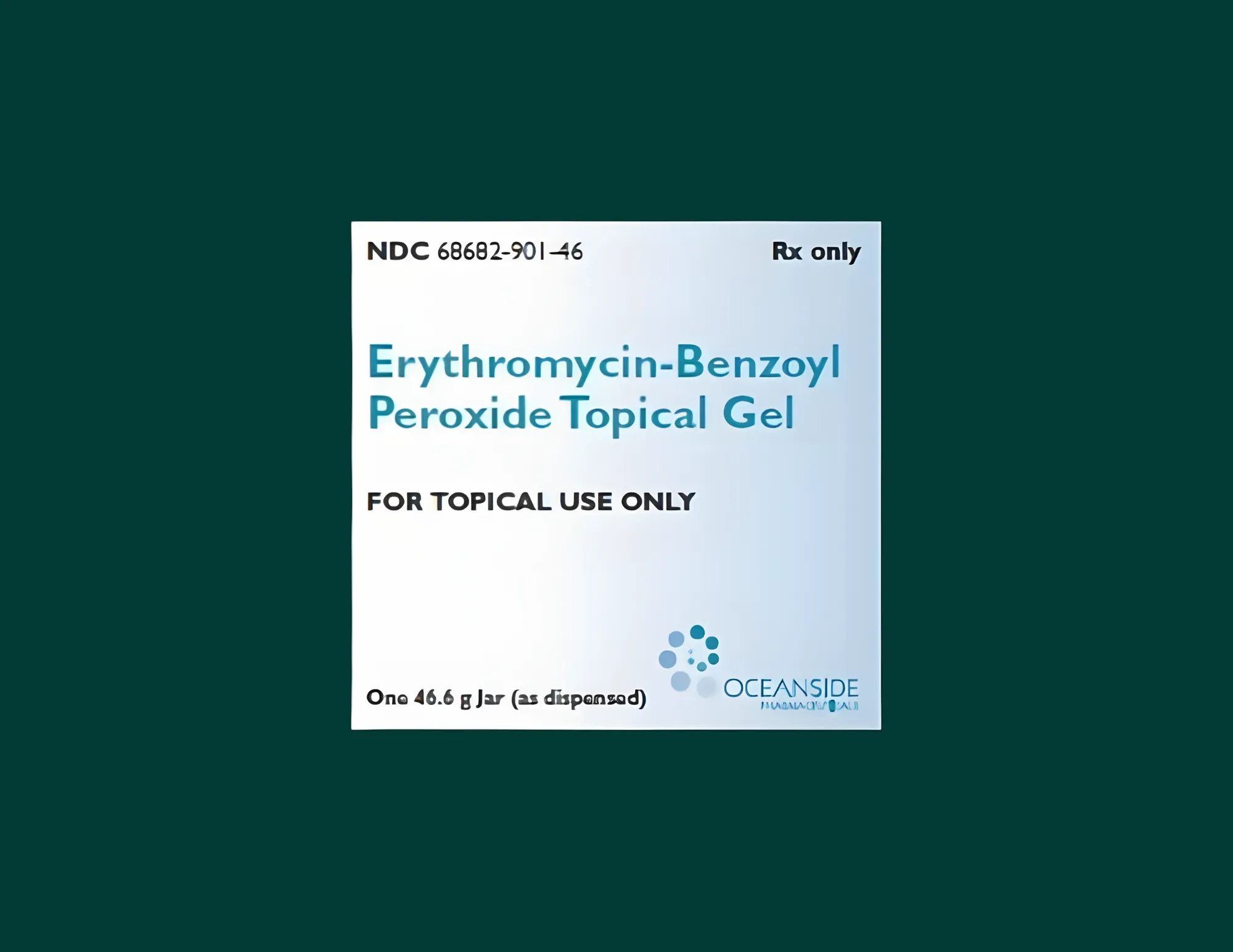
Erythromycin-Benzoyl Peroxide 3%/5% Gel (46.6g)
From: $65.00/month
A dual-action acne gel that combines an antibacterial (erythromycin) with a powerful pore-clearing agent (benzoyl peroxide) to reduce breakouts, calm inflammation, and prevent new acne from forming.
⚠️ Safety Information
⚠️ Serious Warnings / Precautions
- May cause significant dryness, redness, burning, peeling, or irritation—especially during the first 2–4 weeks of therapy.
- Benzoyl peroxide can increase sensitivity to sunlight and artificial UV light. Daily SPF 30+ is strongly recommended.
- Severe local reactions (swelling, blistering, oozing) may occur in people with sensitive skin.
- Risk of *antibiotic resistance* if used inconsistently or without proper guidance.
- Do not use near eyes, mouth, nostrils, mucous membranes, or on broken/eczema-irritated skin.
- Avoid other harsh acne products (salicylic acid, retinoids, AHAs/BHAs, alcohol-based toners) unless directed.
- If severe irritation occurs, discontinue and contact your clinician.
🚫 Who Should NOT Use This Medication
- Anyone with known allergies to erythromycin, macrolides, benzoyl peroxide, or ingredients in the gel.
- Patients who previously developed severe skin irritation with topical BPO or topical antibiotics.
- Those using medications that interact with erythromycin (especially certain oral antibiotics) unless approved.
- People with active dermatitis, broken skin, severe rosacea, or eczema in the treatment area.
- Pregnant or breastfeeding individuals should consult a clinician before starting.
- Do not use on infants or small children unless prescribed.
🧴 How to Use
- Clean and dry the skin before use. Apply a thin, even layer once daily or as directed.
- Start with every-other-day use if you have sensitive skin to help your skin adjust.
- Do not apply thick layers — this increases irritation without improving results.
- Keep away from hair and fabrics as benzoyl peroxide can bleach both.
- Wash your hands thoroughly after applying.
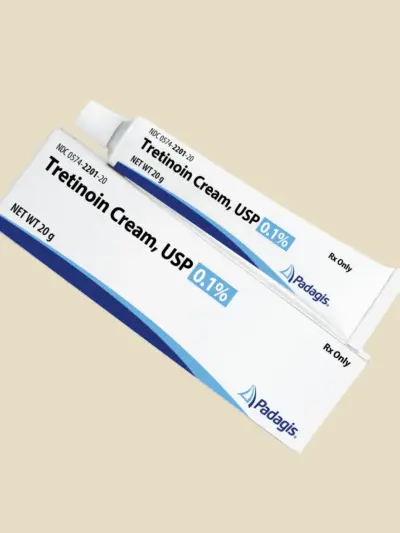
- If using with tretinoin, apply them at different times (AM vs. PM) unless otherwise instructed.
- Use a non-comedogenic moisturizer to reduce dryness and improve tolerability.
💢 Common Side Effects
- Dryness, redness, flaking, and mild peeling.
- Warmth, stinging, or mild burning for a few minutes after application.
- Increased sun sensitivity.
- Temporary worsening of acne (“purging”) during the first 1–3 weeks.
- Slight itching or tightness of the skin.
⚠️ Serious Side Effects (Seek Care Immediately)
- Severe swelling, blistering, open sores, or crusting of the skin.
- Intense burning or pain that does not improve with reduced use.
- Widespread rash, hives, shortness of breath, or signs of allergic reaction.
- Yellowing, oozing, or severe infection-like symptoms on the treated area.
🔄 Medication & Skincare Interactions
- Avoid combining with topical retinoids unless instructed (may cause extreme dryness).
- Do not use with alcohol-based astringents, exfoliants, or abrasive cleansers.
- Oral erythromycin or similar antibiotics may interact or increase resistance risk.
- Topical clindamycin used simultaneously may increase risk for resistance patterns.
- Vitamin C serums may oxidize when combined with BPO, reducing effectiveness and increasing irritation.
📦 Storage & Handling
- Store at room temperature away from direct sunlight and heat sources.
- Keep the cap tightly closed to prevent oxidation of benzoyl peroxide.
- Do not freeze.
- Keep out of reach of children.
- Discard if the product significantly changes color or texture.
ℹ️ Additional Guidance
- Consistency matters—irregular use may reduce effectiveness.
- Makeup may be worn, but choose non-comedogenic products and remove gently.
- Expect gradual improvements; acne medications rarely work overnight.
- This gel is for acne vulgaris, not fungal acne, cystic acne alone, or perioral dermatitis.
Disclaimer: This summary is for informational purposes only and not a substitute for professional medical advice.
❓ Frequently Asked Questions
⏱️ How long does it take to work?
Most people begin to notice improvements within 2–4 weeks, with full benefits around 8–12 weeks. Mild purging may occur early on.
🔥 Why is my skin red or peeling?
This is a very common effect of benzoyl peroxide and the adjustment period. Use a moisturizer, reduce frequency to every other day, or contact your clinician if irritation is severe.
🧴 Can I use this with tretinoin or retinoids?
Yes, but they should typically be used at different times of day. Combining them directly increases irritation. Follow clinician instructions for timing.
🌞 Do I need sunscreen?
Yes — benzoyl peroxide and erythromycin can increase UV sensitivity. Daily SPF 30+ is strongly recommended to prevent irritation and hyperpigmentation.
👕 Will this bleach clothes or towels?
Yes. Benzoyl peroxide can bleach towels, pillowcases, hairlines, and clothing. Use white fabrics or allow the gel to fully dry.
😬 Will I experience purging?
Some users experience a temporary increase in breakouts during the first 1–3 weeks as pores clear. This usually improves with consistent use.
💄 Can I wear makeup over this?
Yes. Choose non-comedogenic products and allow the gel to dry fully before applying makeup.
💧 Should I moisturize?
Absolutely. Moisturizers help reduce dryness and improve tolerability without reducing the medication’s effect.
🚫 When should I stop using it?
Stop immediately if you experience severe burning, swelling, blistering, hives, difficulty breathing, or intense irritation that doesn’t improve.
🔄 Can I combine this with other acne products?
Only with clinician guidance. Salicylic acid, AHAs/BHAs, sulfur, retinoids, and vitamin C can increase irritation when layered with BPO.
🤰 Is it safe during pregnancy?
Topical erythromycin is generally considered lower risk, but benzoyl peroxide has limited data. Always ask your clinician before use.
⏳ Is long-term use safe?
Yes, with clinician oversight. However, long-term use of topical antibiotics alone can contribute to resistance — pairing with BPO helps reduce this risk.
📦 How should I store it?
Store at room temperature away from heat and sunlight. Do not freeze. Discard if color or scent changes significantly.
Additional information
| Billing Cycle | Monthly, Quarterly, Semi-annual, Annual |
|---|
Related products
-
Select options This product has multiple variants. The options may be chosen on the product pageRx
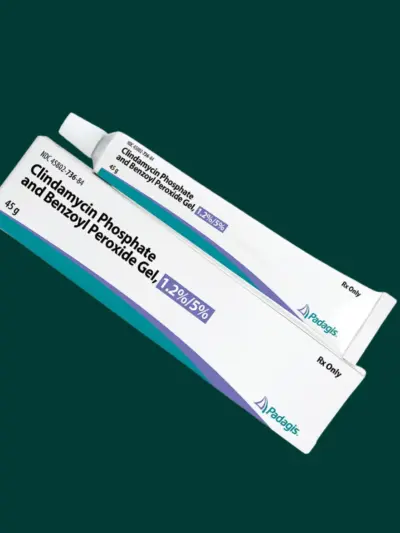
Clindamycin Phosphate 1.2% + Benzoyl Peroxide 5% Gel (45g)
A powerful dual-action acne treatment that combines an antibiotic (clindamycin) with benzoyl peroxide to fight breakouts fast, unclog pores, reduce inflammation, and prevent new acne from forming.
From: $45.00/monthSelect options This product has multiple variants. The options may be chosen on the product page
- Select options This product has multiple variants. The options may be chosen on the product page
- Select options This product has multiple variants. The options may be chosen on the product page
- Select options This product has multiple variants. The options may be chosen on the product page



Reviews
There are no reviews yet.