
A targeted, dermatologist-developed treatment designed to soothe inflammation and restore skin health with precision and grace. This advanced gel works beneath the skin’s surface to calm irritation, reduce roughness, and relieve tenderness associated with actinic keratoses (sun-damaged patches). Its lightweight, non-greasy texture absorbs seamlessly — delivering the benefits of a potent anti-inflammatory in a refined, skin-conscious formula. Thoughtfully crafted for those who expect both clinical efficacy and elegant simplicity, Diclofenac 3% Gel helps renew comfort and confidence, one application at a time.
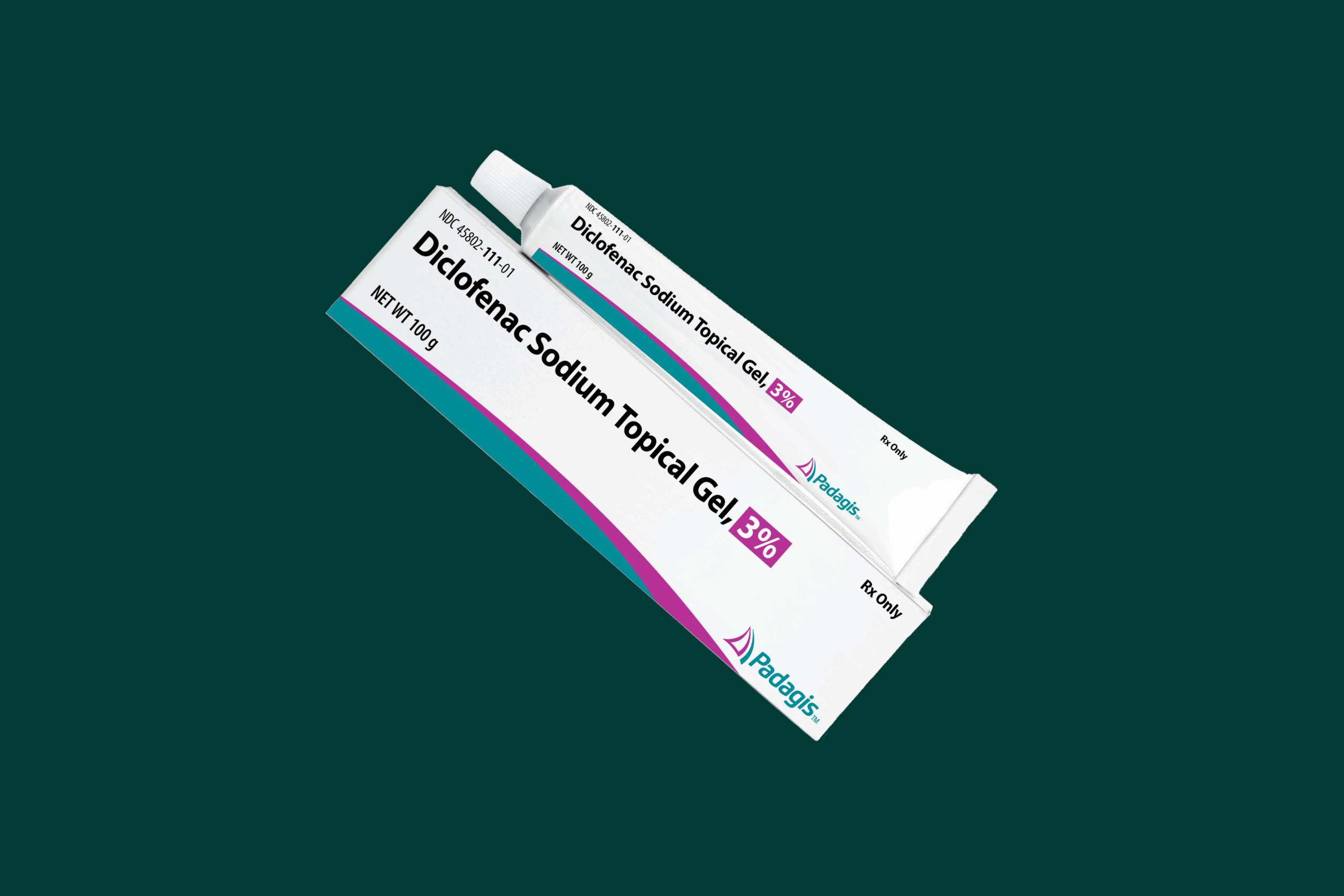
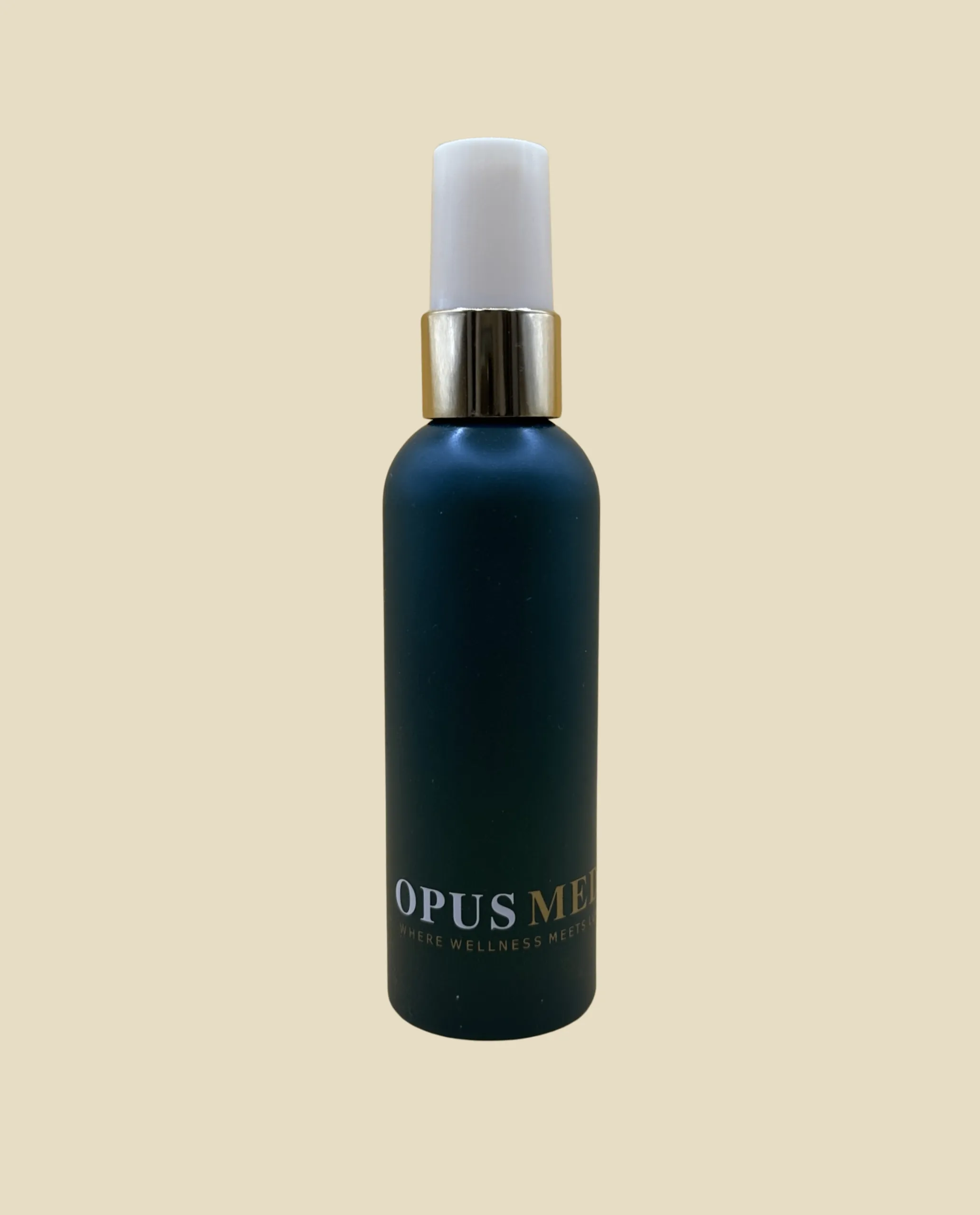
Diclofenac 3% Gel 100g/month
From: $75.00/month
Smooth, soothe, and restore — advanced care for actinic keratosis.
A targeted, dermatologist-developed treatment designed to soothe inflammation and restore skin health with precision and grace. This advanced gel works beneath the skin’s surface to calm irritation, reduce roughness, and relieve tenderness associated with actinic keratoses (sun-damaged patches). Its lightweight, non-greasy texture absorbs seamlessly — delivering the benefits of a potent anti-inflammatory in a refined, skin-conscious formula. Thoughtfully crafted for those who expect both clinical efficacy and elegant simplicity, Diclofenac 3% Gel helps renew comfort and confidence, one application at a time.
⚠️Safety Information
Click on arrow to expand each section.
🌿 About
- Diclofenac 3% Gel is a topical nonsteroidal anti-inflammatory drug (NSAID) used to treat actinic keratoses (sun-induced, rough, scaly patches). It works beneath the surface to reduce inflammation, improve texture, and promote healing over time.
💧 How to Use
- Apply a thin, even layer to each affected area twice daily (morning and evening) or as prescribed.
- Massage gently until absorbed; do not cover with dressings or bandages.
- Wash hands after application unless treating the hands themselves.
- Typical treatment duration: 60–90 days. Use consistently as directed.
- Avoid applying to open wounds, broken, or infected skin.
⚕️ Before Using
Tell your healthcare provider if you:
- Have a history of ulcers, stomach bleeding, heart, liver, or kidney disease.
- Take blood thinners, corticosteroids, or other NSAIDs.
- Have asthma, allergies, or aspirin sensitivity.
- Are pregnant, breastfeeding, or planning pregnancy.
🚫 What to Avoid
- Avoid eyes, mouth, mucous membranes, and open skin.
- Avoid sun exposure, tanning beds, or UV lamps on treated areas—use SPF daily.
- Do not apply cosmetics, sunscreens, or other topicals on treated areas unless approved by your provider.
- Avoid oral NSAIDs or aspirin unless your clinician allows it.
⚠️ Safety Information
- For external use only.
- Even when applied to skin, diclofenac may be systemically absorbed; use only as directed.
- Do not use if you’ve had asthma, hives, or allergic-type reactions to aspirin or other NSAIDs.
- Not for use during the last trimester of pregnancy.
💬 Possible Side Effects
- Common: Mild redness, dryness, itching, peeling, or stinging at application site.
- Less common: Rash, swelling, or increased sensitivity to sunlight.
- Serious (stop use & seek medical help): Allergic reaction (hives, trouble breathing), chest pain, shortness of breath, weakness on one side of the body, black/tarry stools, vomiting blood, unusual bruising or swelling.
🌞 Sun & Skin Care Tips
- Apply broad-spectrum SPF 30+ daily to treated areas.
- Wear protective clothing and hats outdoors.
- Continue sun protection after treatment to help prevent recurrence of actinic keratoses.
🧴 Storage
- Store at room temperature (68°F–77°F / 20°C–25°C).
- Keep away from heat, flames, and freezing.
- Keep out of reach of children and pets.
❗ When to Stop and Call Your Clinician
- Severe irritation, rash, blistering, or worsening inflammation.
- Signs of allergic reaction or systemic side effects.
- Chest pain, trouble breathing, swelling, unexplained bruising, dark stools, or vomiting blood.
Disclaimer: This summary is for informational purposes only and not a substitute for professional medical advice.
❓ Frequently Asked Questions
💧 What is Diclofenac 3% Gel used for?
Diclofenac 3% Gel is prescribed to treat actinic keratoses (AK) — rough, scaly patches of skin caused by sun exposure. It helps reduce inflammation and promote healthy skin renewal over time.
🕒 How long does it take to work?
Treatment typically lasts 60 to 90 days. Visible improvement may appear gradually, but it’s important to complete the full course for the best results. Healing may continue for several weeks after treatment ends.
🧴 How should I apply it?
Apply a thin, even layer to each affected area twice daily (morning and evening). Rub in gently until absorbed. Wash your hands after application unless treating the hands themselves.
☀️ Can I go in the sun while using this gel?
It’s best to limit sun exposure during treatment. Always use a broad-spectrum SPF 30+ sunscreen and protective clothing, as your skin may become more sensitive to sunlight.
⚠️ What side effects should I expect?
Mild redness, dryness, itching, or peeling are common. These usually lessen as your skin adjusts. Stop using the gel and contact your healthcare provider if you notice severe irritation, rash, swelling, or any allergic reaction.
🚫 Can I use makeup or other skincare products over it?
During treatment, avoid applying cosmetics, moisturizers, or other topical medications to the same area unless your provider has approved them. Keep your routine gentle and fragrance-free.
👩⚕️ Is Diclofenac 3% Gel safe during pregnancy or breastfeeding?
Do not use Diclofenac 3% Gel during the last trimester of pregnancy. If you are pregnant, planning to become pregnant, or breastfeeding, speak with your healthcare provider before starting treatment.
🧊 How should I store it?
Store at room temperature (68°F–77°F / 20°C–25°C) away from heat, flame, and freezing. Keep tightly closed and out of reach of children and pets.
📅 Can I use it longer than 90 days?
Treatment beyond 90 days is generally not recommended unless directed by your provider. Follow your clinician’s instructions and schedule a follow-up visit to assess progress before extending therapy.
Related products
- Select options This product has multiple variants. The options may be chosen on the product page
- Sale! Add to cart
-
Select options This product has multiple variants. The options may be chosen on the product pageRx
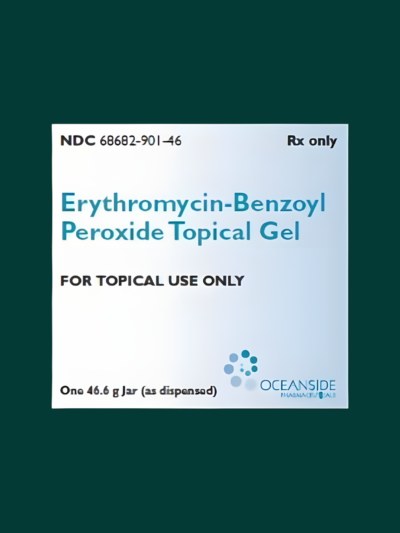
Erythromycin-Benzoyl Peroxide 3%/5% Gel (46.6g)
A dual-action acne gel that combines an antibacterial (erythromycin) with a powerful pore-clearing agent (benzoyl peroxide) to reduce breakouts, calm inflammation, and prevent new acne from forming.
From: $65.00/monthSelect options This product has multiple variants. The options may be chosen on the product page
-
Select options This product has multiple variants. The options may be chosen on the product pageRx
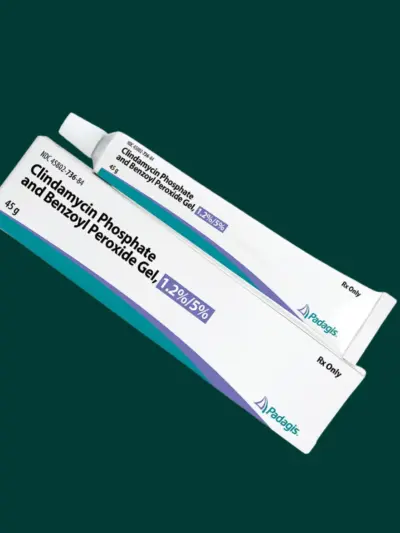
Clindamycin Phosphate 1.2% + Benzoyl Peroxide 5% Gel (45g)
A powerful dual-action acne treatment that combines an antibiotic (clindamycin) with benzoyl peroxide to fight breakouts fast, unclog pores, reduce inflammation, and prevent new acne from forming.
From: $45.00/monthSelect options This product has multiple variants. The options may be chosen on the product page



Reviews
There are no reviews yet.