
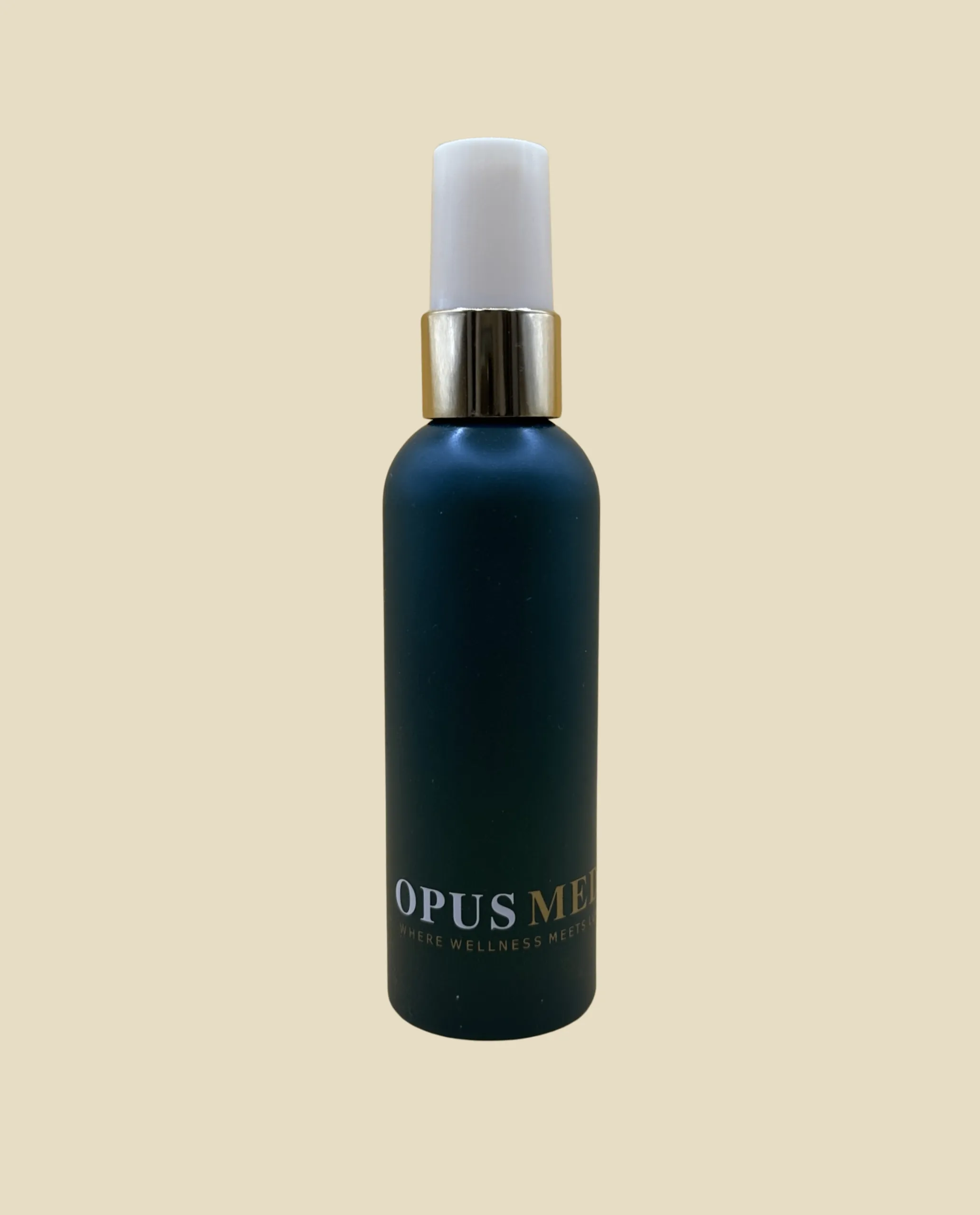
Clindamycin Phosphate 1% Gel is a prescription topical antibiotic designed to treat acne by reducing acne-causing bacteria and calming inflamed breakouts. It helps shrink active pimples, prevent new ones from forming, and improve overall skin clarity with consistent use. Lightweight and non-greasy, it fits easily into most acne-care routines.
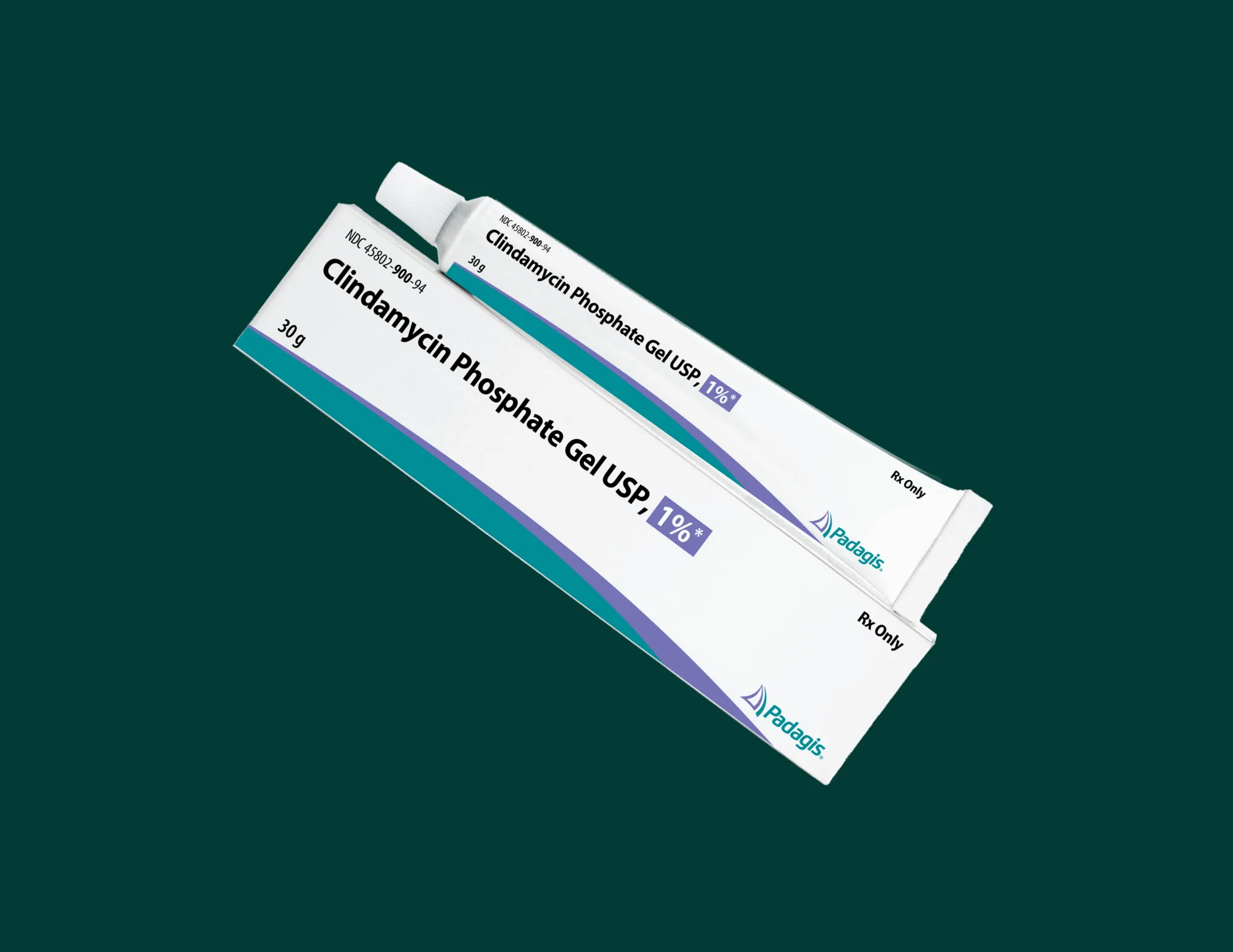
Clindamycin Phosphate 1% Gel (60g)
From: $35.00/month
Targets bacteria, calms inflammation, and keeps breakouts under control — without weighing your skin down.
Clindamycin Phosphate 1% Gel is a prescription topical antibiotic designed to treat acne by reducing acne-causing bacteria and calming inflamed breakouts. It helps shrink active pimples, prevent new ones from forming, and improve overall skin clarity with consistent use. Lightweight and non-greasy, it fits easily into most acne-care routines.
⚠️ Safety Information
⚠️ Serious Warnings / Precautions
- Although rare, topical clindamycin has been associated with C. difficile–associated diarrhea. Severe or persistent diarrhea, abdominal cramps, or blood/mucus in stool require immediate medical attention.
- Stop use and notify your provider if you experience severe redness, swelling, crusting, blistering, or intense burning.
- Avoid use on sunburned, windburned, or eczematous skin — this can worsen irritation.
- Do not use more than prescribed; overuse will not speed results and increases irritation.
- Use caution when combining with strong exfoliants or other acne treatments.
🚫 Contraindications / Who Should NOT Use
- History of inflammatory bowel disease (ulcerative colitis, Crohn’s disease).
- History of antibiotic-associated colitis (including C. diff).
- Known allergy to clindamycin, lincomycin, or formulation ingredients.
- Use during pregnancy or breastfeeding only if a licensed provider approves.
🔄 Drug Interactions & Combination Use
- Can be safely combined with benzoyl peroxide, but this may increase dryness.
- Often paired with retinoids (tretinoin, adapalene, tazarotene) — typically clindamycin AM, retinoid PM.
- Be cautious combining with salicylic acid, glycolic acid, lactic acid, or exfoliating toners.
- Do not layer directly with harsh alcohol-based products.
💊 Common Side Effects
- Dryness, flakiness, peeling
- Redness or mild burning
- Itching
- Temporary oiliness (varies with gel base)
- Increased sensitivity when combined with retinoids or benzoyl peroxide
📌 How to Use Properly
- Apply a thin layer to clean, dry skin once or twice daily.
- Do not overapply — a pea-sized amount per region is enough.
- If using with retinoids, many clinicians recommend: Clindamycin AM • Retinoid PM.
- Allow the gel to fully dry before applying moisturizer or sunscreen.
- Skip application on days when skin is extremely irritated.
⛔ What to Avoid
- Harsh scrubs or microdermabrasion tools
- Alcohol-heavy astringents and toners
- Multiple exfoliating acids at once (AHA/BHA)
- Waxing on treated areas (risk of skin lifting)
- Direct sun exposure without broad-spectrum SPF
📦 Storage & Handling
- Store at room temperature (68°F–77°F / 20°C–25°C).
- Keep the cap tightly closed to prevent drying.
- Do not freeze.
- Keep out of reach of children and pets.
Disclaimer: This summary is for informational purposes only and not a substitute for professional medical advice.
❓ Frequently Asked Questions (FAQ)
🤔 Does clindamycin help with blackheads?
It mainly helps with inflamed acne (red bumps). For blackheads or clogged pores, it’s often paired with a retinoid.
🧴 Can I use it with benzoyl peroxide?
Yes. This combo is common and helps reduce antibiotic resistance. Expect extra dryness at first.
⏳ How long does it take to work?
Most people see improvement in 4–6 weeks, with full benefits at 8–12 weeks.
🔥 Will it irritate my skin?
Mild dryness, peeling, or burning can occur — especially in the first 1–2 weeks. This usually improves as skin adjusts.
🧼 Does it bleach towels like benzoyl peroxide?
No. Clindamycin does not bleach fabrics.
🌞 Can I use it with tretinoin?
Yes — the combo treats multiple acne pathways. Typically: clindamycin in the morning, tretinoin at night.
🔁 Is it safe for long-term use?
Usually yes, but providers often rotate treatments to reduce antibiotic resistance.
👶 Can teens use it?
Yes — it’s commonly prescribed for adolescent acne when evaluated by a clinician.
🧴 Should I moisturize before or after?
Apply clindamycin first; let it dry fully, then layer moisturizer on top to reduce irritation.
📆 What if I miss a dose?
Apply when you remember. If it’s close to the next application time, skip the missed dose — do not double apply.
Additional information
| Billing Cycle | Monthly, Quarterly, Semi-annual, Annual |
|---|
Related products
- Select options This product has multiple variants. The options may be chosen on the product page
- Select options This product has multiple variants. The options may be chosen on the product page
- Select options This product has multiple variants. The options may be chosen on the product page
- Select options This product has multiple variants. The options may be chosen on the product page



Reviews
There are no reviews yet.