
Both strengths work similarly—0.75% is often used once or twice daily, while 1% is typically applied once daily for more convenience. Gentle and well-tolerated, it’s ideal for sensitive or easily irritated skin.
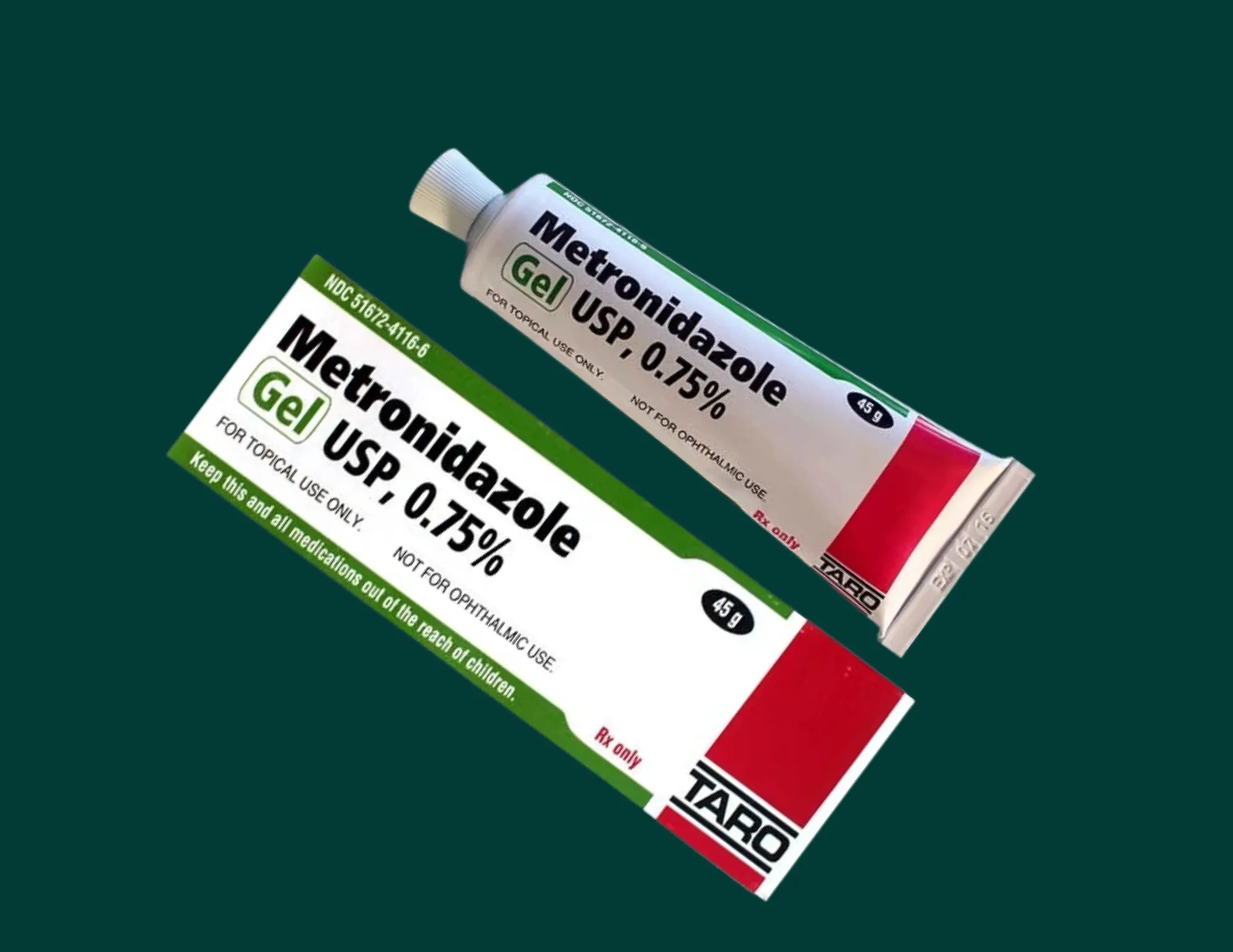
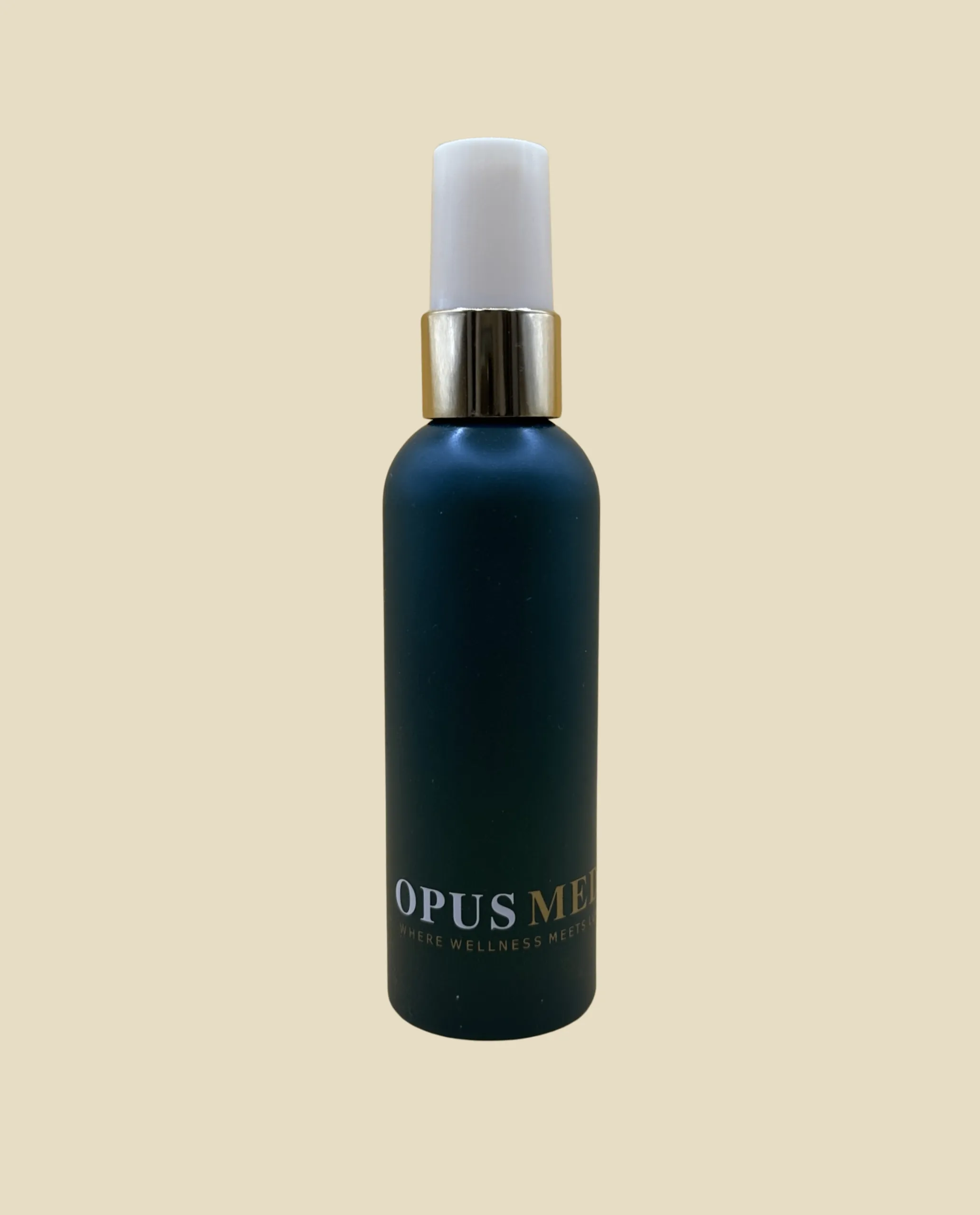
Metronidazole Gel 0.75% / 1.0%
$45.00 / month Billed every 6 months ($270.00)
A gentle anti-inflammatory gel that calms redness, soothes bumps, and improves overall skin clarity—especially for rosacea-prone, sensitive skin.
Both strengths work similarly—0.75% is often used once or twice daily, while 1% is typically applied once daily for more convenience. Gentle and well-tolerated, it’s ideal for sensitive or easily irritated skin.
Both strengths work similarly—0.75% is often used once or twice daily, while 1% is typically applied once daily for more convenience. Gentle and well-tolerated, it’s ideal for sensitive or easily irritated skin.
⚠️ Safety Information
⚠️ Serious Warnings / Precautions
- For external use only. Do not swallow. Avoid contact with eyes, inside the nose, or mouth.
- Stop use and contact a clinician if you develop severe irritation, burning, worsening redness, swelling, or rash.
- Systemic absorption is low but can occur, especially if applied to large or broken areas of skin. Use only as directed.
- Use caution if you have a history of blood disorders, liver problems, or neurologic conditions.
- Avoid combining with harsh or very irritating products (e.g., strong acids, astringents) unless instructed by a clinician.
🧴 How to Use
- Apply a thin layer to clean, dry skin on the affected areas of the face (or as directed).
- 0.75% gel: often used once or twice daily per clinician instructions.
- 1% gel: typically used once daily.
- Avoid getting the gel in the eyes, inside the nose, or mouth. Rinse with water if contact occurs.
- Allow the gel to absorb fully before applying moisturizer, sunscreen, or makeup.
🚫 Who Should NOT Use
- Anyone with a known allergy or hypersensitivity to metronidazole or other nitroimidazole derivatives.
- Individuals who have had a serious reaction to topical antibiotics or prescription gels in the past, unless cleared by a clinician.
- People who are pregnant or breastfeeding should consult a clinician to discuss risks and benefits before use.
🙂 Common Side Effects
- Mild redness or irritation at the application site
- Mild burning, stinging, or itching
- Dryness or a feeling of tightness
- Watery or irritated eyes if applied too close to the eyelids
These effects are usually mild and may lessen as the skin adjusts. Tell your clinician if they are persistent or bothersome.
🚨 Serious Side Effects (Rare)
- Severe skin irritation, burning, or blistering
- Marked swelling or intense redness
- Signs of an allergic reaction (widespread rash, hives, difficulty breathing, swelling of the face/lips/tongue)
- New or unusual numbness, tingling, or other neurologic symptoms
If you experience any serious symptoms, stop using the medication and seek medical attention immediately.
💊 Drug Interactions
- Topical metronidazole has low systemic absorption, so major drug interactions are uncommon.
- Tell your clinician about all prescription and OTC products you use on your face, including retinoids, benzoyl peroxide, acids (AHA/BHA), and other topical antibiotics.
- If you are taking oral metronidazole or other nitroimidazoles, let your clinician know before starting topical metronidazole.
📦 Storage
- Store at room temperature, generally 68–77°F (20–25°C), or as directed on the label.
- Keep the tube tightly closed when not in use.
- Protect from excessive heat or freezing.
- Keep out of reach of children and pets.
Disclaimer: This information is for educational purposes only and does not replace advice from your licensed healthcare provider. Always follow the directions provided with your prescription.
❓ Frequently Asked Questions (FAQ)
🔴 Does metronidazole help with rosacea redness and bumps?
Yes. Topical metronidazole is commonly prescribed for rosacea-related redness, bumps, and inflammation. With consistent use, many people notice calmer, less reactive skin and a more even tone.
⏱️ How long does it take to see results?
Some people see improvement in as little as 2–4 weeks, but full results often appear around 8–12 weeks of consistent use. Rosacea is a chronic condition, so ongoing treatment may be recommended to maintain benefits.
🧴 Should I use 0.75% or 1%?
Both strengths are effective. The 0.75% gel is often applied once or twice daily, while the 1% gel is usually once daily for convenience.
Your clinician will choose a strength and schedule based on your skin, symptoms, and routine.
🌞 Can I use it with sunscreen, moisturizer, and makeup?
Yes. In most routines, you apply metronidazole gel to clean, dry skin first, let it absorb, then follow with moisturizer and a broad-spectrum sunscreen.
Makeup can be applied after your skincare has fully absorbed. Sunscreen is especially important for rosacea-prone skin.
🔄 Can I use it with retinoids or exfoliating acids?
Sometimes, yes—but it must be done carefully. Your clinician may suggest using retinoids or acids on alternating nights, or only a few times per week, to avoid excessive irritation.
Always introduce one new active at a time and report any worsening redness or burning.
🚫 Will it make my skin purge or get worse before better?
Metronidazole is not known for causing “purging” like some retinoids. Mild irritation, dryness, or temporary redness can happen,
but if your skin seems significantly worse, contact your clinician—your routine may need an adjustment.
🧪 Is metronidazole an antibiotic?
Yes, metronidazole is an antimicrobial/antibiotic. When used topically for rosacea, its main benefits are anti-inflammatory and anti-redness,
rather than acting like a typical acne antibiotic used for bacterial infections.
🤰 Is it safe during pregnancy or breastfeeding?
Topical metronidazole is generally considered lower risk than oral forms, but you should always check with your clinician before using it during pregnancy or while breastfeeding.
They will help weigh potential risks and benefits for your specific situation.
Additional information
| Billing Cycle | Monthly, Quarterly, Semi-annual, Annual |
|---|
Related products
- Add to cart
- Select options This product has multiple variants. The options may be chosen on the product page
- Select options This product has multiple variants. The options may be chosen on the product page
- Add to cart




Reviews
There are no reviews yet.