
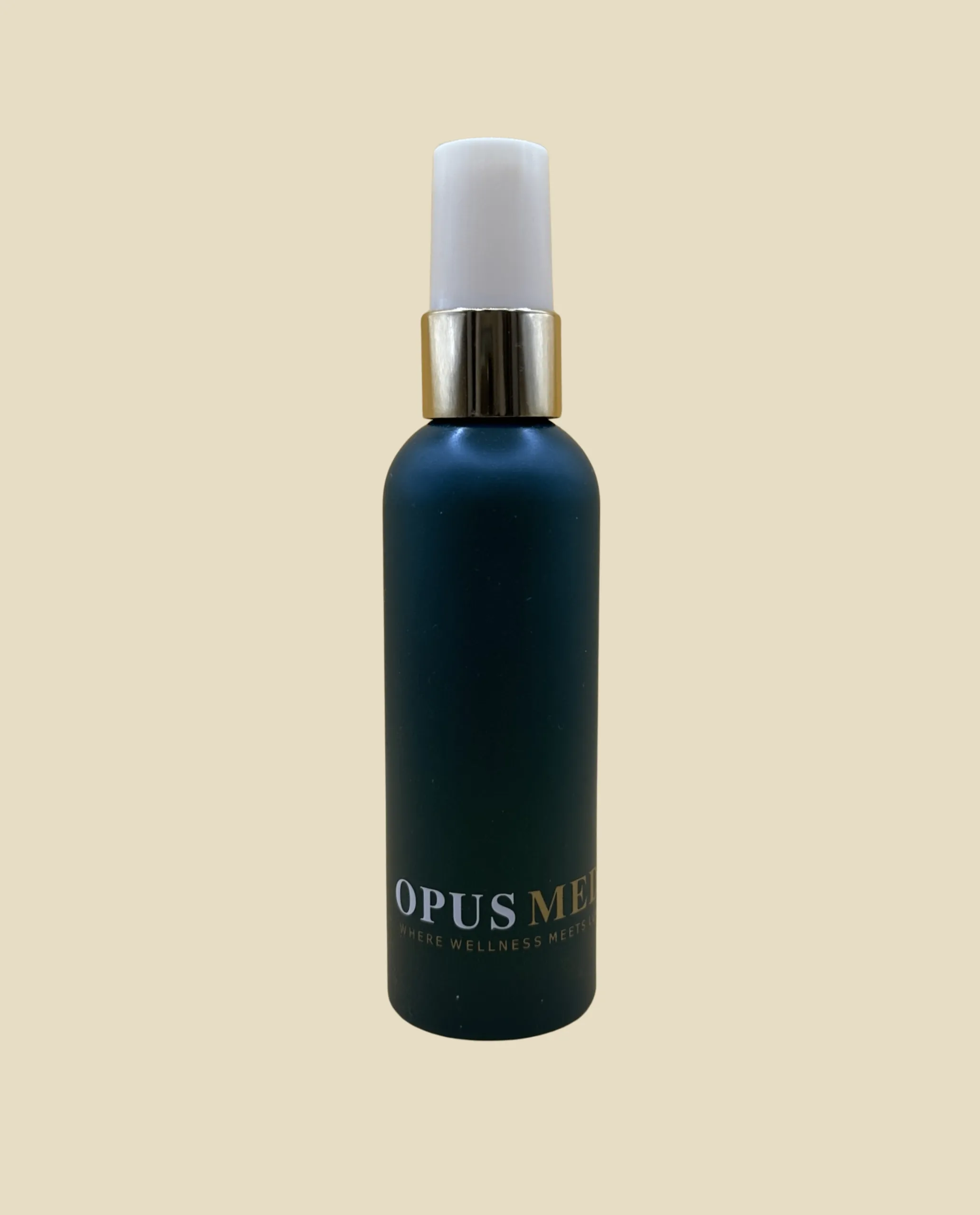
A gentle yet effective prescription treatment designed to reduce acne by targeting the bacteria that contribute to breakouts. Its lightweight, non-greasy formula absorbs quickly, making it ideal for oily, combination, and acne-prone skin. With consistent use, it helps calm redness, shrink active pimples, and prevent new ones from forming — all while keeping the skin feeling smooth instead of stripped or irritated. It’s often used as part of a complete acne routine and pairs well with moisturizers, benzoyl peroxide, and nighttime retinoids for even better results.
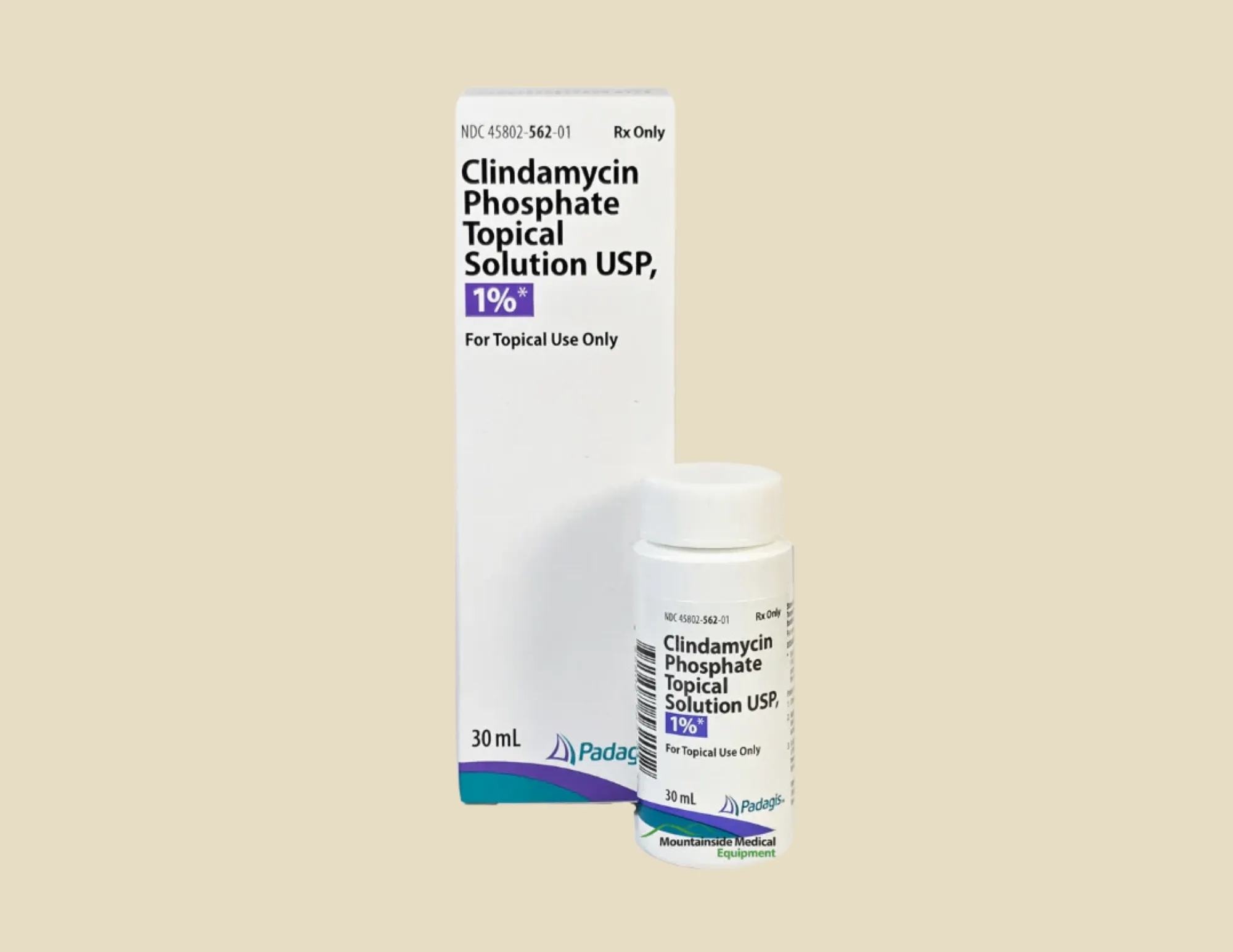
Clindamycin Phosphate 1% Lotion (60ml)
$45.00 / month Billed every 6 months ($270.00)
Target acne-causing bacteria, calm inflammation, and help clear breakouts fast — without heavy drying or irritation.
A gentle yet effective prescription treatment designed to reduce acne by targeting the bacteria that contribute to breakouts. Its lightweight, non-greasy formula absorbs quickly, making it ideal for oily, combination, and acne-prone skin. With consistent use, it helps calm redness, shrink active pimples, and prevent new ones from forming — all while keeping the skin feeling smooth instead of stripped or irritated. It’s often used as part of a complete acne routine and pairs well with moisturizers, benzoyl peroxide, and nighttime retinoids for even better results.
⚠️ Safety Information
⚠️ Serious Warnings / Precautions
- Topical clindamycin, like oral clindamycin, has been associated with
Clostridioides difficile–associated diarrhea (C. diff).
Although rare, this can be serious. If you develop persistent or severe diarrhea,
abdominal pain, or blood/mucus in your stool, stop use and contact a clinician immediately. - Stop using the lotion and seek medical advice if you experience severe irritation,
intense burning, swelling, blistering, or a spreading rash. - Avoid contact with eyes, inside the nose, mouth, lips, or other mucous membranes.
If contact occurs, rinse thoroughly with water. - Do not apply to broken, sunburned, or severely inflamed skin unless directed by your provider.
- Tell your clinician if you have a history of chronic bowel disease
(e.g., ulcerative colitis, Crohn’s disease) or previous antibiotic-associated colitis.
🚫 Who Should NOT Use This Medication
- Anyone with a known allergy to clindamycin, lincomycin, or any ingredient in the lotion.
- People with a history of antibiotic-associated colitis unless specifically cleared
by a clinician. - Use with caution or avoid if you are currently experiencing severe gastrointestinal symptoms
(e.g., severe diarrhea, active colitis) unless instructed otherwise by your provider. - Children or special populations should only use under direct guidance of a licensed clinician.
💊 How to Use Clindamycin 1% Lotion
- Wash the affected area gently with a mild cleanser and lukewarm water; pat dry.
- Shake the lotion if instructed on the package (follow product-specific directions).
- Apply a thin, even layer to the acne-prone areas as directed (often once or twice daily).
- Use only on the skin; do not ingest.
- Wash your hands after applying.
- Do not use more often than prescribed; this will not make it work faster and may increase irritation.
- If using with other acne treatments (benzoyl peroxide, retinoids), follow the schedule given by your provider.
🔄 Missed Dose Instructions
- If you forget a dose, apply it when you remember, as long as it is not almost time for your next dose.
- Do not double up or apply large amounts to “catch up.”
- Return to your regular schedule at the next application time.
💊 Other Medications & Skin Products (Interactions)
- Tell your clinician about all prescription, OTC, and herbal medications you use,
including other topical acne treatments. - Using multiple drying or irritating products at once
(e.g., strong astringents, alcohol-based toners, peels, scrubs)
may increase redness, burning, or peeling. - If you are also using benzoyl peroxide or a topical retinoid (like tretinoin),
your clinician may recommend using them at different times of day (for example:
clindamycin in the morning, retinoid at night). - Oral or injectable clindamycin should only be combined under professional guidance
to avoid excessive exposure.
🩹 Common Side Effects
- Mild redness or warmth at the application site
- Dryness, flaking, or mild peeling
- Itching or mild burning sensation after application
- Temporary oiliness or tightness of the skin
These effects are often mild and may improve as your skin adjusts.
If they become bothersome or do not improve, contact your clinician.
⚠️ Serious Side Effects – When to Seek Help
- Persistent or severe diarrhea, abdominal cramping, or blood/mucus in the stool
(possible C. difficile–associated colitis). - Severe or rapidly worsening skin irritation, blistering, or open sores.
- Signs of an allergic reaction: swelling of the face, lips, tongue, or throat; trouble breathing; hives.
Stop using the medication and seek urgent medical attention if you experience any
signs of a serious reaction.
🤰 Pregnancy & Breastfeeding
- If you are pregnant, planning to become pregnant, or breastfeeding,
discuss the risks and benefits of clindamycin lotion with your clinician. - Small amounts may be absorbed through the skin. Your prescriber will decide
if this treatment is appropriate for you. - Avoid applying directly to areas where an infant may have skin-to-skin contact
(e.g., chest) unless directed by your provider.
📦 Storage & Handling
- Store at room temperature (around 68–77°F / 20–25°C), unless the label says otherwise.
- Keep the bottle tightly closed when not in use.
- Protect from excessive heat, direct sunlight, and freezing.
- Keep out of reach of children and pets.
- Do not use after the expiration date printed on the package.
📞 When to Contact a Clinician
- If you see no improvement after several weeks of consistent use.
- If acne suddenly worsens significantly.
- If you develop moderate to severe irritation or a possible allergic reaction.
- If you have any questions about using clindamycin with your other medications or skin products.
Disclaimer: This information is for educational purposes only and does not replace personalized medical advice. Always follow the instructions provided by your licensed clinician and the specific product labeling.
❓ Frequently Asked Questions (FAQ)
💧 What does Clindamycin 1% Lotion actually do for my skin?
Clindamycin is an antibiotic that helps reduce acne by targeting the bacteria
(especially C. acnes) that contribute to inflamed pimples. Over time,
this helps calm redness, shrink active breakouts, and prevent new acne from forming.
⏳ How long will it take to see results?
Some people notice improvement within 2–4 weeks, but it can take
8–12 weeks of consistent use to see the full benefit. Acne treatments
work gradually, so don’t stop too early unless your clinician tells you to.
🌞 Can I use it during the day? Do I need sunscreen?
Yes, clindamycin lotion can be used in the morning, evening, or both as directed.
While clindamycin itself isn’t a strong photosensitizer like some retinoids,
daily sunscreen (SPF 30+) is still recommended as part of any acne routine
to protect healing skin and prevent dark spots.
🤝 Can I use this with tretinoin or other retinoids?
Often, yes. Many prescribers recommend clindamycin in the morning and tretinoin at night
so you get the benefit of both without over-irritating your skin. Follow your provider’s
instructions about how to layer or separate products.
🧴 Can I use it with benzoyl peroxide or salicylic acid?
Clindamycin is frequently combined with benzoyl peroxide or salicylic acid, but using too many
active ingredients at once can cause dryness or irritation. Your provider may suggest using
benzoyl peroxide once daily and clindamycin once or twice daily, or alternating days,
depending on your skin’s tolerance.
👶 Is it safe for sensitive skin?
Many people with sensitive or easily irritated skin tolerate clindamycin lotion well,
especially compared with stronger drying agents. However, start as directed, use a gentle
cleanser and non-comedogenic moisturizer, and let your clinician know if you experience
ongoing burning, stinging, or peeling.
📍 Can I use it on my chest, back, or shoulders?
Yes, clindamycin lotion is often used on the face, chest, and back for body acne.
Your clinician will tell you where and how often to apply it. Use a thin layer and avoid
applying to large areas without medical guidance, especially if you have a history of bowel disease.
💄 Can I wear makeup over it?
Yes. Allow the lotion to fully absorb and dry, then apply non-comedogenic makeup if desired.
Remove makeup gently at the end of the day to avoid clogged pores and irritation.
🔁 How long can I stay on clindamycin lotion?
Some people use clindamycin for several months or longer, depending on their acne plan.
Because it is an antibiotic, your clinician may periodically reassess the need for continued use,
adjust frequency, or combine it with other treatments to reduce the risk of bacterial resistance.
❌ What should I do if my skin gets very red, dry, or irritated?
First, stop any harsh scrubs, peels, or alcohol-based toners and add a gentle moisturizer.
You may be advised to reduce use to once daily or every other day. If irritation is severe
(burning, intense redness, blistering), stop the medication and contact your clinician.
🚽 Should I worry about diarrhea or stomach problems with a topical lotion?
Most people do not experience gastrointestinal side effects from topical clindamycin,
but rare cases of serious diarrhea and colitis have occurred. If you notice persistent or
severe diarrhea, abdominal pain, or blood/mucus in your stool, stop using the medication
and seek medical care right away.
🤰 Can I use this if I’m pregnant or breastfeeding?
Use during pregnancy or breastfeeding should be decided together with your clinician after
weighing the risks and benefits. Always let your provider know if you are pregnant,
planning pregnancy, or nursing before starting clindamycin lotion.
📞 When should I follow up with my provider?
Check in with your provider if:
you’ve used the lotion consistently for several weeks without improvement,
your acne worsens significantly,
you develop severe irritation or possible side effects,
or you have questions about combining it with other treatments in your regimen.
Reminder: This FAQ is for general education only and does not replace personalized advice from your licensed clinician.
Additional information
| Billing Cycle | Monthly, Quarterly, Semi-annual, Annual |
|---|
Related products
-
Select options This product has multiple variants. The options may be chosen on the product pageRx

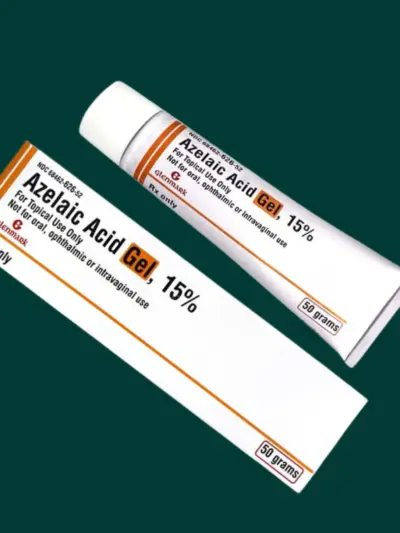
Azelaic Acid 15% Gel (50g)
Calms inflammation, fades dark spots, smooths texture, and fights acne - gently clearing pores, reducing redness, and brightening your skin all at once.
$45.00 / month Billed every 6 months ($270.00)Select options This product has multiple variants. The options may be chosen on the product page
-
Select options This product has multiple variants. The options may be chosen on the product pageRx
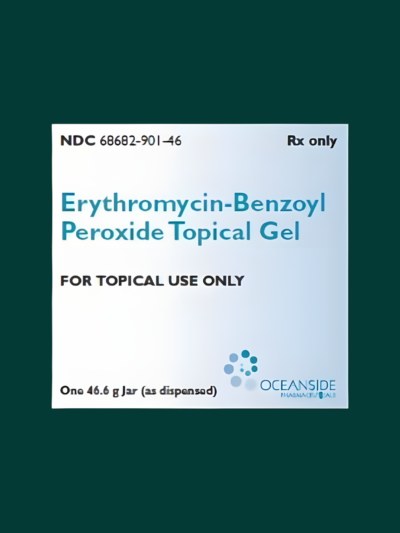
Erythromycin-Benzoyl Peroxide 3%/5% Gel (46.6g)
A dual-action acne gel that combines an antibacterial (erythromycin) with a powerful pore-clearing agent (benzoyl peroxide) to reduce breakouts, calm inflammation, and prevent new acne from forming.
$65.00 / month Billed every 6 months ($390.00)Select options This product has multiple variants. The options may be chosen on the product page
-
Select options This product has multiple variants. The options may be chosen on the product pageRx
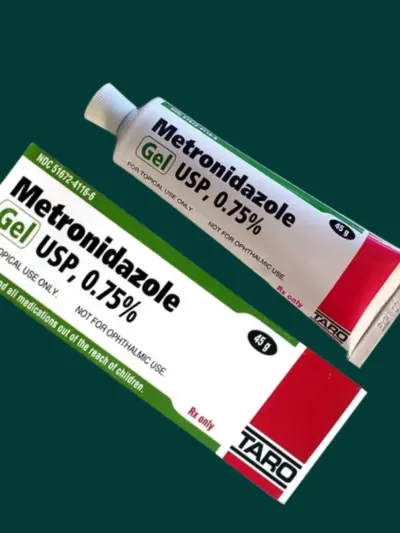
Metronidazole Gel 0.75% / 1.0%
A gentle anti-inflammatory gel that calms redness, soothes bumps, and improves overall skin clarity—especially for rosacea-prone, sensitive skin.
$45.00 / month Billed every 6 months ($270.00)Select options This product has multiple variants. The options may be chosen on the product page
- Select options This product has multiple variants. The options may be chosen on the product page



Reviews
There are no reviews yet.