
Hydroquinone 4% is a dermatologist-trusted brightening treatment used to fade dark spots, melasma, post-acne marks, and uneven pigmentation. It works by slowing melanin production at the cellular level, helping discoloration gradually lighten with consistent use. When paired with daily sunscreen and a gentle skincare routine, it can significantly improve clarity, tone, and overall brightness.
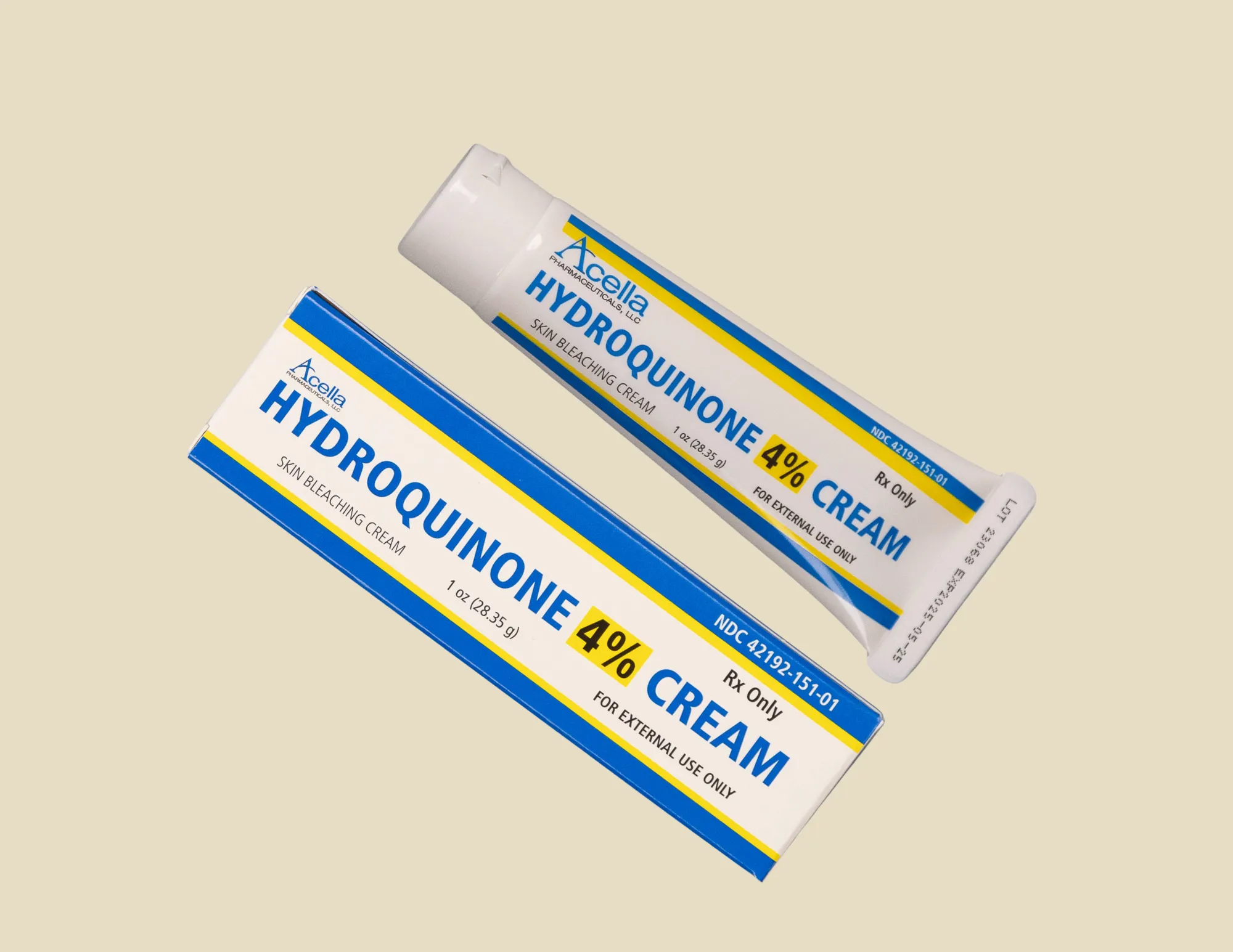
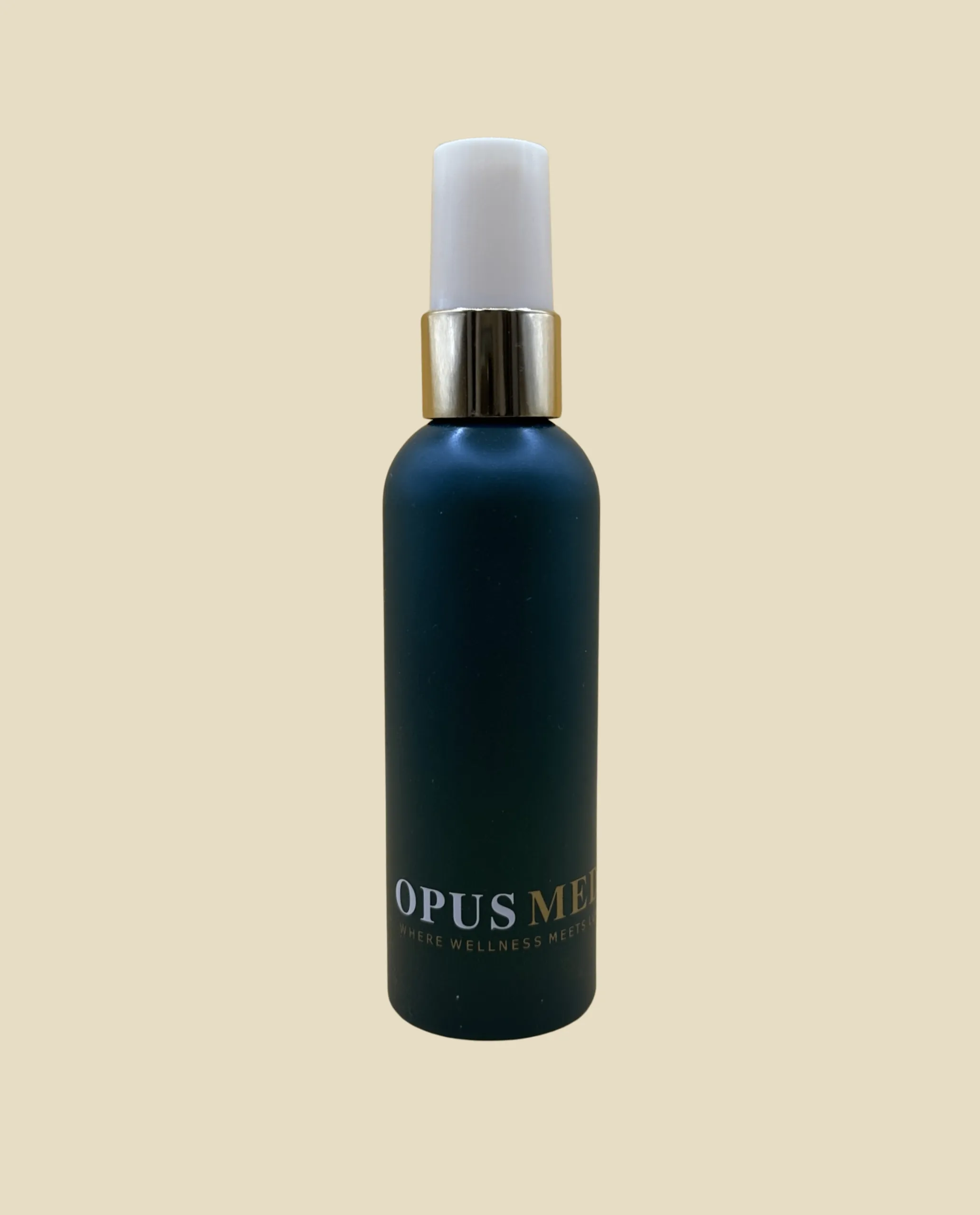
Hydroquinone 4% Cream (28.35g)
$45.00 / month Billed every 6 months ($270.00)
Brightening treatment that targets stubborn dark spots and melasma for visibly clearer, radiant, more even-toned skin.
Hydroquinone 4% is a dermatologist-trusted brightening treatment used to fade dark spots, melasma, post-acne marks, and uneven pigmentation. It works by slowing melanin production at the cellular level, helping discoloration gradually lighten with consistent use. When paired with daily sunscreen and a gentle skincare routine, it can significantly improve clarity, tone, and overall brightness.
⚠️ Safety Information
⚠️ Serious Warnings / Precautions
- Hydroquinone may increase skin irritation, especially when first starting treatment.
- Sun exposure can worsen pigmentation — daily SPF 30+ is essential.
- Do not use on broken, irritated, infected, or sunburned skin.
- Discontinue use if severe redness, blistering, or unexpected darkening occurs.
- Long-term continuous use (beyond 3–6 months) is generally not recommended.
🚫 Who Should NOT Use
- Anyone allergic to hydroquinone or similar lightening agents.
- People with very sensitive or eczema-prone skin unless approved by a clinician.
- Pregnant or breastfeeding individuals unless specifically advised by a clinician.
- Individuals already using strong topical irritants without medical guidance.
🧴 How to Use
- Apply a thin layer to clean, dry skin on dark spots or areas of hyperpigmentation.
- Start once daily; some providers may increase to twice daily if tolerated.
- Use only on affected areas unless otherwise instructed.
- Wash hands after applying.
- Daily sunscreen is mandatory to prevent worsening pigmentation.
- Expect improvement over 6–12 weeks with consistent use.
💊 Common Side Effects
- Redness, dryness, or mild stinging
- Peeling, flaking, or tightness
- Temporary lightening of nearby skin
- Irritation that improves as skin adjusts
⚠️ Serious Warnings to Watch For
- Severe irritation, burning, or swelling
- Blistering, crusting, or open sores
- Blue-black or grayish discoloration (ochronosis — rare) → stop immediately
- Signs of allergic reaction (rash, hives, difficulty breathing)
🔄 What to Avoid
- Avoid contact with eyes, lips, or mucous membranes.
- Avoid strong chemical peels, scrubs, or harsh actives unless approved.
- Avoid tanning beds and unnecessary sun exposure.
- Avoid applying immediately after waxing or shaving.
- Avoid mixing with benzoyl peroxide unless supervised (can cause staining or irritation).
📦 Storage & Handling
- Store at room temperature (68–77°F / 20–25°C).
- Keep tightly closed when not in use.
- Protect from excessive heat and direct sunlight.
- Keep out of reach of children and pets.
- Do not freeze.
⏰ Missed Dose
- If you forget a dose, apply it when you remember.
- If it’s close to your next scheduled application, skip the missed dose.
- Do not apply extra to “catch up” — this increases irritation risk.
🔗 Drug & Product Interactions
- Using hydroquinone with retinoids, AHAs/BHAs, or benzoyl peroxide may increase irritation.
- Perfumed products, astringents, and alcohol-based toners can worsen sensitivity.
- Always tell your provider if you’re using other prescription or OTC topicals.
- No significant systemic drug interactions are expected since absorption is minimal.
🧤 Additional Tips for Best Results
- Apply to fully dry skin — wait 10–15 minutes after washing your face.
- Follow with moisturizer to reduce irritation and support barrier health.
- Consider alternating nights when starting to reduce irritation.
- For melasma, minimize heat exposure (saunas, steam rooms), as heat can worsen pigmentation.
Disclaimer: This information is for educational purposes only and does not replace the advice of a licensed healthcare professional. Always follow your prescriber’s directions and the instructions on your medication label.
❓ Frequently Asked Question (FAQ)
✨ What does Hydroquinone 4% treat?
Hydroquinone 4% is used to help fade dark spots caused by melasma, sun damage, age spots, and post-inflammatory hyperpigmentation (like acne marks), as well as overall uneven tone in targeted areas.
⏱️ How long until I see results?
Most people start to see improvement in 6–12 weeks with consistent use and strict daily sunscreen. Some stubborn areas may take longer, and results vary from person to person.
🌞 Do I really need sunscreen with this?
Yes. Sunscreen is non-negotiable when using hydroquinone. UV exposure can worsen pigmentation, slow results, and increase irritation. Use a broad-spectrum SPF 30+ every morning and reapply as needed.
💧 Can I use Hydroquinone with tretinoin or other actives?
Hydroquinone is sometimes combined with tretinoin or mild acids under medical supervision for melasma and dark spots. However, this can increase irritation, so combinations should only be used if recommended by your clinician.
🔄 Can I use Hydroquinone long term?
Most clinicians recommend using hydroquinone in limited courses (often 3–6 months), followed by a break or switch to maintenance brightening products without hydroquinone to reduce the risk of side effects.
🧪 Is Hydroquinone safe for all skin tones?
Hydroquinone can be effective for many skin tones, including deeper skin, but must be used carefully to avoid irritation or rebound darkening. People with darker skin should use it only under close guidance from a clinician experienced in treating hyperpigmentation.
🚫 Can Hydroquinone make my dark spots worse?
It can if the skin becomes irritated or if you are not protecting your skin from the sun. Overuse, high irritation, or inconsistent sunscreen may lead to more noticeable pigmentation. If you see worsening or new dark areas, stop and contact your provider.
💡 How should I layer this with my other skincare?
Generally, apply hydroquinone to clean, dry skin on the affected areas first, allow it to absorb, then follow with moisturizer. Harsh scrubs or strong actives should be used cautiously or avoided unless your clinician approves.
🤰 Can I use Hydroquinone if I’m pregnant or breastfeeding?
Use in pregnancy or breastfeeding is typically avoided unless specifically recommended by a clinician. Always discuss with your healthcare provider before using any prescription topical while pregnant or nursing.
Additional information
| Billing Cycle | Monthly, Quarterly, Semi-annual, Annual |
|---|
Related products
-
Select options This product has multiple variants. The options may be chosen on the product pageRx

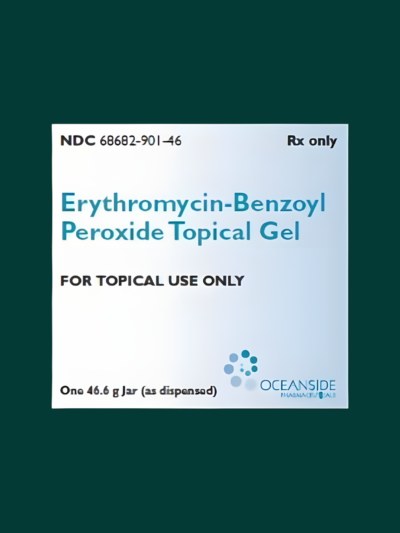
Erythromycin-Benzoyl Peroxide 3%/5% Gel (46.6g)
A dual-action acne gel that combines an antibacterial (erythromycin) with a powerful pore-clearing agent (benzoyl peroxide) to reduce breakouts, calm inflammation, and prevent new acne from forming.
$65.00 / month Billed every 6 months ($390.00)Select options This product has multiple variants. The options may be chosen on the product page
- Select options This product has multiple variants. The options may be chosen on the product page
- Select options This product has multiple variants. The options may be chosen on the product page
-
Select options This product has multiple variants. The options may be chosen on the product pageRx
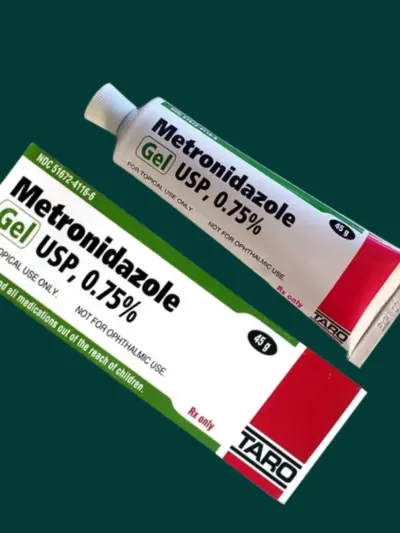
Metronidazole Gel 0.75% / 1.0%
A gentle anti-inflammatory gel that calms redness, soothes bumps, and improves overall skin clarity—especially for rosacea-prone, sensitive skin.
$45.00 / month Billed every 6 months ($270.00)Select options This product has multiple variants. The options may be chosen on the product page



Reviews
There are no reviews yet.