
Cyclobenzaprine is a prescription muscle relaxant used to relieve muscle spasms, stiffness, and tightness caused by strains, sprains, or injuries. It works on the central nervous system to calm overactive muscle signals, helping your body relax so you can move more comfortably. Most people use it short-term, along with rest and gentle physical therapy, to improve mobility, reduce pain, and even sleep better when muscle spasms are keeping them up at night.

Cyclobenzaprine 10mg 30 Tabs/ Month
$25.83 / month Billed every 6 months ($155.00)
Loosen tension. Ease spasm. Move comfortably.
Cyclobenzaprine is a prescription muscle relaxant used to relieve muscle spasms, stiffness, and tightness caused by strains, sprains, or injuries. It works on the central nervous system to calm overactive muscle signals, helping your body relax so you can move more comfortably. Most people use it short-term, along with rest and gentle physical therapy, to improve mobility, reduce pain, and even sleep better when muscle spasms are keeping them up at night.
⚠️ Safety Information
Click each section to expand.
💊 What is Cyclobenzaprine?
- A prescription muscle relaxant used to treat muscle spasms from strains, sprains, or injuries.
- Works on the central nervous system to reduce muscle tension and discomfort.
- Often used short-term (2–3 weeks) along with rest and physical therapy.
📌 How to Use
- Usually taken 1–3 times daily, with or without food, as directed by your prescriber.
- Do not increase your dose or frequency without medical guidance.
- Short-term use only. Contact your clinician if symptoms do not improve within 2–3 weeks.
⛔ Do NOT Use If
- You are taking, or recently stopped taking, an MAOI (e.g., phenelzine, selegiline, tranylcypromine). Serious reactions may occur.
- You have had a recent heart attack, heart rhythm problems, heart block, or congestive heart failure.
- You have hyperthyroidism.
- You are allergic to cyclobenzaprine or similar medications.
⚠️ Use With Caution
- This medication can cause significant drowsiness, dizziness, or slowed reaction time.
- Avoid alcohol, opioids, benzodiazepines, and other sedatives unless directed.
- Use carefully if you have liver problems, glaucoma, or difficulty urinating.
- Elderly patients may be more sensitive to side effects like confusion or falls.
💥 Possible Side Effects
- Drowsiness, dizziness, dry mouth (most common)
- Tiredness, headache, or blurred vision
- Nausea or constipation
- Rare: fast heartbeat, trouble urinating, mood changes
🚨 Seek Medical Help If
- Allergic reaction (rash, swelling, trouble breathing)
- Rapid or irregular heartbeat
- Severe dizziness or fainting
- Signs of serotonin syndrome (agitation, sweating, tremor, stiff muscles)
🔁 Drug Interactions
- MAOIs (current or recent use) — do NOT combine
- SSRIs, SNRIs, or TCAs — may increase serotonin syndrome risk
- Opioids, benzodiazepines, sleep medications — increase sedation
- Alcohol — increases drowsiness and safety risks
🤰 Pregnancy & Breastfeeding
- Tell your clinician if pregnant, planning pregnancy, or breastfeeding.
- Use only if the potential benefit outweighs risk.
📦 Storage
- Store at room temperature (20°C–25°C / 68°F–77°F).
- Keep tightly closed and away from moisture.
- Keep out of reach of children.
Disclaimer: This is educational information for website display and does not replace professional medical advice. Patients should follow their prescriber’s directions.
❓ Cyclobenzaprine FAQ
Click each question to expand.
⏱️ How long does cyclobenzaprine take to work?
Many people notice muscle relaxation within a few hours; full benefit can build over several days.
🌙 Can I take it only at night?
Yes—some clinicians recommend evening dosing to improve sleep when spasms disrupt rest. Follow your prescriber’s directions.
😴 Will it make me sleepy?
Drowsiness and dizziness are common. Avoid driving, heavy machinery, alcohol, and other sedatives unless your prescriber says otherwise.
💊 Can I take it with pain medicines like ibuprofen?
Often yes, but interactions and individual risks vary. Check with your prescriber or pharmacist before combining medications.
🔒 Is this addictive?
Cyclobenzaprine is not an opioid and is not considered habit-forming. Use only as directed and do not exceed the prescribed duration.
🍷 Can I drink alcohol with it?
Avoid alcohol. Combining with cyclobenzaprine can significantly increase sedation and impair coordination and judgment.
📆 How long can I take it?
Typically short-term (about 2–3 weeks). If spasms persist, contact your clinician to reassess treatment.
Related products
-
Select options This product has multiple variants. The options may be chosen on the product pageRx

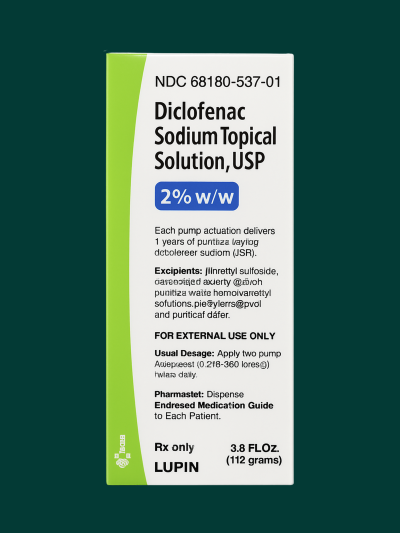
Diclofenac 2% Solution 112g/Month
Soothe pain with precision. This fast-absorbing, prescription-strength formula targets inflammation deep within the joints to deliver powerful relief — without the heaviness of pills or creams. Feel comfort return, movement restored, and life in motion again
$68.33 / month Billed every 3 months ($205.00)Select options This product has multiple variants. The options may be chosen on the product page
- Select options This product has multiple variants. The options may be chosen on the product page
-
Select options This product has multiple variants. The options may be chosen on the product pageRx
Meloxicam 15mg 30 Tabs/Month
Meloxicam delivers powerful, lasting relief from pain and inflammation—so you can move easier, feel better, and get back to doing what you love.
$25.83 / month Billed every 6 months ($155.00)Select options This product has multiple variants. The options may be chosen on the product page
- Select options This product has multiple variants. The options may be chosen on the product page





Reviews
There are no reviews yet.